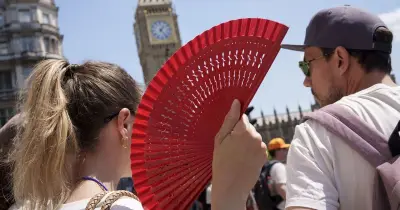
As the UK heatwave continues, dog owners are being urged to recognise the signs of heatstroke in their pets, which could be life-saving. The RSPCA has identified exercise as the most common trigger for canine heatstroke, advising owners to adjust their routines according to the weather.
Key Warning Signs to Watch For
Michael Sheils, Brand Ambassador at UK dog grooming supplier Christie's Direct, highlights several indicators. One subtle sign is a change in gum colour. He advises: "Gently lift their lip. A healthy dog's gums should be a nice, healthy pink. If they look bright red, dark red, blue, grey, or unusually pale, something is wrong."
Another telltale sign is heavy, frantic panting. If the panting is rapid, extremely loud, or fails to subside even when resting in the shade, this should be treated as a serious concern. Restlessness and pacing can also indicate heatstroke, with anxious behaviour such as wandering and seeking somewhere to hide pointing towards the condition.

Sheils also notes that a change in saliva texture—thick, sticky, or stringy—is a clear indicator that a dog may be suffering from heatstroke.
Advanced Symptoms and Immediate Action
More severe symptoms include neurological problems, described by Sheils as dogs "walking like they're dizzy, stumbling, or appearing clumsy and uncoordinated." Extreme lethargy, collapsing, seizures, and gastrointestinal distress or sudden vomiting can indicate advanced heatstroke.
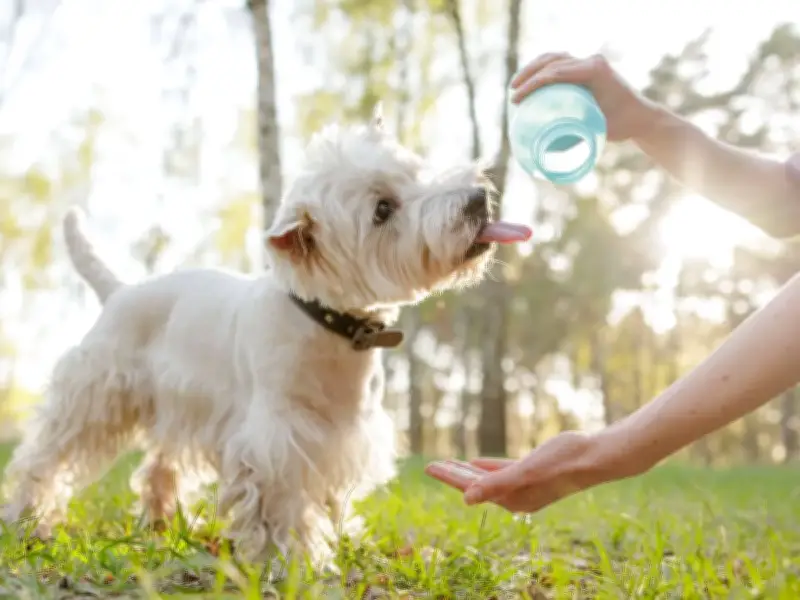
If heatstroke is suspected, Sheils advises: "Cool them down immediately. Move them to a shaded, cool area and use a fan if you have one. Douse them with cool, never freezing or ice-cold, water, focusing on their underbelly and paws. Let them drink small amounts of cool water if they're conscious. Don't wait to see if they get better; call your nearest vet or emergency clinic straight away."