Skywatchers across Scotland are being urged to set their alarms for the early hours of tomorrow morning, with a partial lunar eclipse set to light up the morning sky.
The spectacle will take place around 5am on Friday, August 28, and will be visible across Scotland. However, exactly how the eclipse appears in the sky and whether you will be able to see it depends on where you live.
93% of the Moon in Earth's Shadow
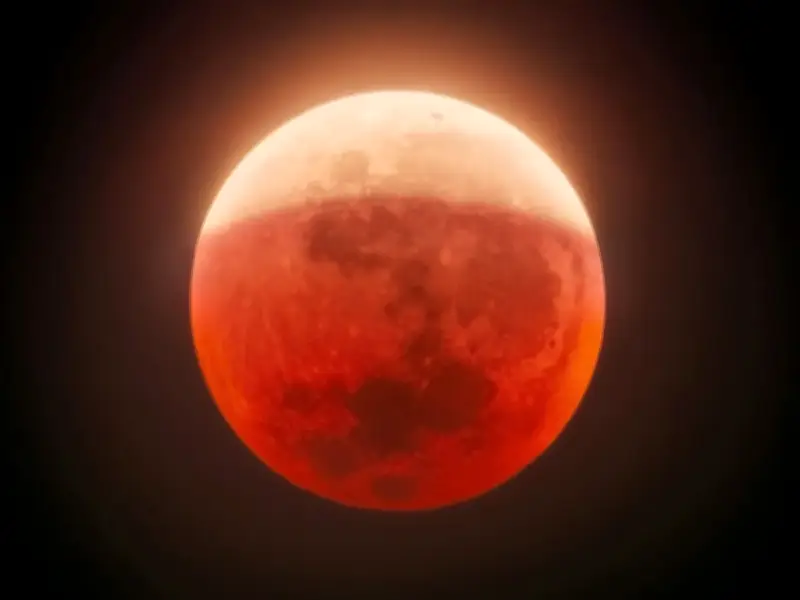
At its peak, around 93 per cent of the Moon will sit within the darkest part of Earth's shadow, creating a striking reddish glow. The phenomenon is often referred to as a 'blood moon' because of the deep red colour that can appear across the lunar surface.

The exact position of the Moon will vary depending on your location, while local weather conditions could also determine whether clouds spoil the view.
Check Your Postcode for Clear Skies
That's where our postcode gadget comes in. Simply enter your postcode below to check the latest forecast for your area and find out how likely you are to get a clear view of the lunar eclipse.
The handy gadget will show you the weather conditions where you are, helping you work out whether clear skies are expected when the eclipse reaches its peak in the early hours. Simply enter your postcode into the gadget below to get your sky forecast.
Maximum Eclipse at 5.12am
The Moon is expected to take on its most dramatic appearance at around 5.12am, when the maximum eclipse occurs. Early risers will have the best chance of spotting the Moon as it turns a coppery red colour.
The eclipse will happen as the Sun, Earth and Moon line up, with Earth casting its shadow across the lunar surface.
Stages of the Eclipse
According to the official Time and Date website, the event will unfold in several stages. It begins when Earth's outer shadow, known as the penumbra, starts moving across the Moon.
The Moon will then enter the darker part of Earth's shadow, known as the umbra, marking the beginning of the partial eclipse. At maximum eclipse, the largest portion of the Moon will be covered by the umbra.
The Moon will then gradually move out of the darkest part of Earth's shadow before eventually leaving the penumbra, bringing the spectacle to an end.
For those hoping to catch a glimpse, entering your postcode into our gadget before heading to bed could help you decide whether it is worth setting that early alarm.