The Public Switched Telephone Network (PSTN), the traditional copper analogue telephone network used by around 2.3 million people for telecare services, will be switched off on 31 January 2027. OpenReach, the organisation responsible for managing the physical telephone network, has issued a fresh warning urging customers not to delay migrating to digital services, as temporary safety nets are limited and will not extend the deadline.
Deadline is fixed, says OpenReach
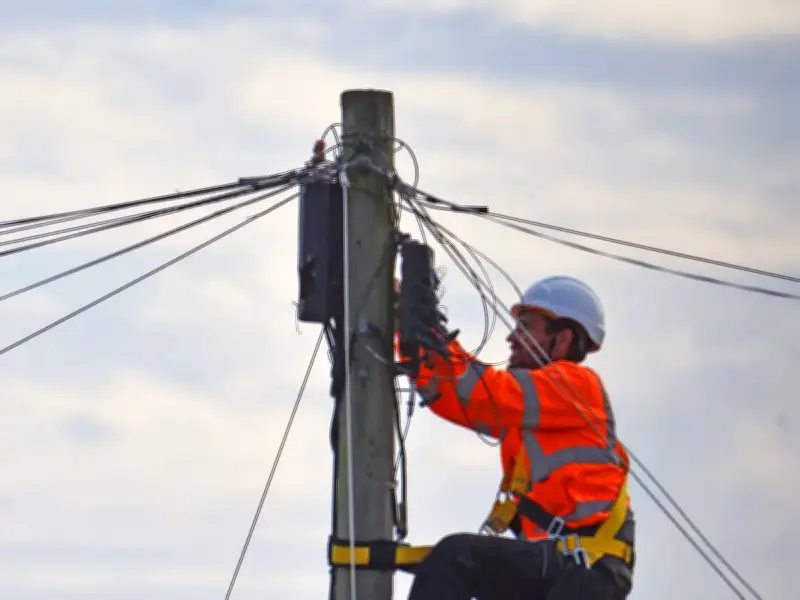
The PSTN has been operational for many decades and officials state it has now reached the end of its usable lifespan. According to the Government, the PSTN is failing owing to a shortage of replacement parts and, more frequently, environmental factors including storms or heat-related faults. The intention is for the majority of it to be deactivated in January 2027, with those whose landline service is bundled with their broadband connection receiving it digitally instead.
OpenReach has published a message on X warning customers that the deadline is fast approaching and urging them not to delay - or risk losing vital services. The post states: "Many telecare users still need to migrate before the PSTN closes on 31 January 2027. Our temporary safety nets will help protect some services, but they're limited and don't replace migration. Providers should act now to help remaining customers move."
Telecare users offered support
Rebecca Park, a senior manager at OpenReach, delivered a video message alongside the post, making clear that the deadline is firmly set and encouraging customers to take action immediately rather than leaving it to the last moment. She said: "The old analogue phone network or the PSTN will close on the 31st of January 2027. That date is not moving. We've already helped move over 70,000 telecare users to digital services through Prove Telecare and we've now put some extra safety nets in place for customers left on the old network when it closes. We've created a temporary voice only service called Emergency Voice Access or EVAC. Basic phone calls can still be made and received including calls to the emergency services."
She added: "Capacity is limited. So if too many lines are left in one area, some customers could lose their service. And there's another important change. Without action, some broadband services could be disrupted when the old voice network closes. So where it's possible, we'll separate and keep the broadband so it'll carry on working when the voice service gets switched off. So to recap, the PSTN closes on the 31st of January, 2027. EVAC and broadband retention are temporary and limited safety nets which don't extend the deadline. Don't wait until the last minute and risk your service."
Communication providers have been collaborating with local authorities to identify telecare users. Providers are offering additional support to telecare users throughout the migration process, including complimentary engineering visits and battery back-ups for telecare devices and landlines where required.
What is telecare and how to prepare
Telecare is used by around 2.3 million people for purposes such as personal alarm pendants, fall detection sensors, and home safety buttons, according to the government. AgeUK says the system uses technology to enable people to live more independently and securely in their own homes - such as a device that triggers an alert if gas is accidentally left on, or a personal alarm enabling someone to summon assistance following a fall.
The government says on its webpage explaining the PSTN switchover: "Suppliers are no longer manufacturing spare parts and repairs of the network now rely on recycling parts from decommissioned parts of the network. Ofcom, the independent telecommunications regulator, reported that 2024 saw a 45% increase in the number of PSTN incidents reported. In 2024/25 there were over 2,600 major incidents on the PSTN. New digital phone lines will allow communications providers to offer clearer and higher quality phone calls. They will offer greater reliability, more secure and energy efficient networks and promote economic growth. Digital can also be used to block tens of thousands of calls from scammers every day."
Citizens Advice warns that if you have a personal alarm or other safety technology at home, it could be affected when you are switched to a digital phone line, and advises informing your landline provider that you use a personal alarm. Their website states: "This is important - they'll make sure you stay connected when the switchover happens. You can find their contact details on your phone bill or on their website."
Citizens Advice recommends on its website that affected households check with their telecare provider whether their telecare system will function with a digital phone line. If it will, this confirms it is compatible. If your telecare is compatible, both your telecare and personal alarm should continue to operate as normal following the switchover. If it is not compatible, it may be possible to use an adaptor for your existing telecare unit to make it work with a digital phone line. If an adaptor is not a viable option, you may need to upgrade or replace your telecare system entirely. In this case, you should speak to your telecare provider to discuss the available options.