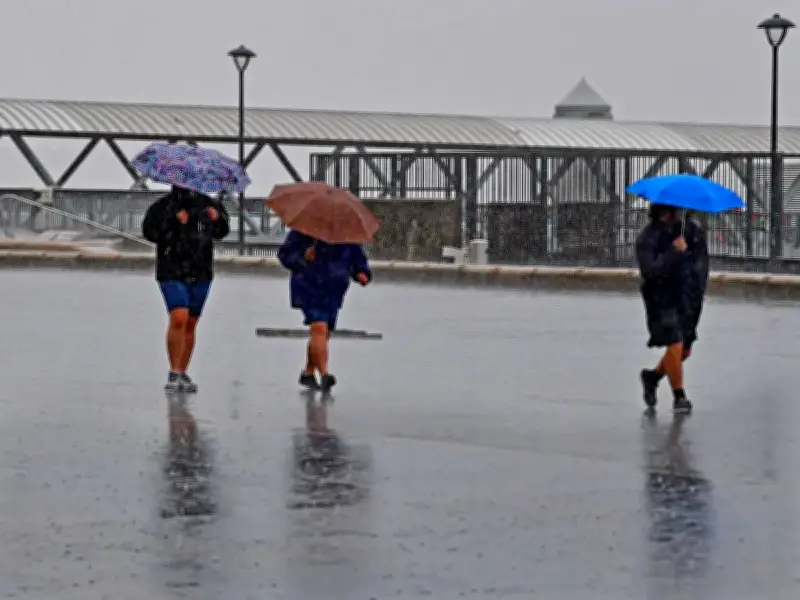
The AA has warned drivers to prepare for rapidly changing road conditions as thunderstorms are set to batter Merseyside and other parts of the UK tonight. Areas across the UK should expect to see heavy rain and thunderstorms.
Met Office Yellow Warning in Place
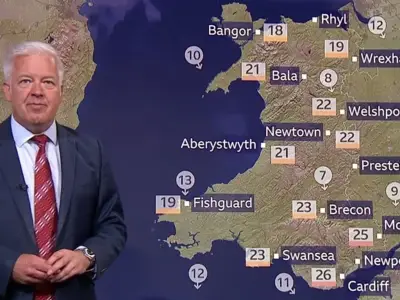
A yellow thunderstorm warning from the Met Office is in place for 15 hours, starting from 7pm on Wednesday, August 18 and lasting until 10am on Thursday, August 19. Regions included in the alert are the North West, North East, East Midlands, Wales, Yorkshire and Humber.
Thunderstorms are expected to become more widespread over the coming days, with some heavy and slow-moving downpours bringing the risk of hail, lightning and localised flooding.

Risks from Prolonged Dry Weather
After a prolonged period of hot and dry weather, drought conditions have left ground in many areas hard and compacted. This can make it more water repellent, meaning intense rainfall can fall faster than it can soak into the ground. Instead, water can run rapidly across the surface, increasing the risk of flash flooding.
For drivers, this means roads that have been dry for prolonged periods could develop significant surface water in a short space of time. Heavy rain can also reduce visibility, while standing water increases the risk of aquaplaning and can conceal potholes and other hazards.
AA Advice for Driving in Thundery Downpours
The AA has issued specific advice for drivers. Motorists should slow down and increase their following distance, as stopping distances are longer on wet roads. Drivers should watch for surface water and possible flooding, as conditions can change quickly during intense rainfall, particularly in dips, low-lying areas and under bridges.
Drivers should never drive into moving floodwater or water more than 10cm deep. If the road ahead is flooded and the depth is uncertain, motorists should turn around and find another route. Using lights in poor visibility is advised, as heavy rain and spray can make it difficult to see and be seen. Keeping windscreens clear with effective wipers and demisters is also recommended.
Avoiding sudden braking or sharp steering helps maintain grip on wet roads. If aquaplaning occurs, drivers should ease off the accelerator and slow down gradually until the tyres regain grip. Drivers should also be alert for debris, as heavy weather can leave branches and other obstructions on the road.
Expert and Met Office Warnings
Lee Morley, AA Expert Patrol, said: “Conditions can change incredibly quickly when a thundery downpour hits. After such a long spell of hot and dry weather, drivers may not be expecting roads to suddenly become covered in surface water or even flooded, so they need to be ready to adapt quickly.”
Morley added: “Slow down, increase the distance between you and the vehicle ahead and avoid sudden braking or sharp steering. Keep looking well ahead for surface water and be particularly cautious where water is beginning to collect. Heavy rain and spray can also seriously reduce visibility, so make sure your lights, wipers and demisters are being used when needed.”
He stressed: “Most importantly, never take a chance with floodwater. If water looks too deep or is moving, turn around and find another route. You cannot always tell how deep it is from behind the wheel, and there could be damage or other hazards hidden underneath. A short delay or diversion is always preferable to putting yourself, your passengers or your vehicle at risk.”
The Met Office warning said: "Heavy showers will develop this evening, becoming more frequent and widespread overnight. These are likely to bring 15 to 20 mm in an hour in some areas with as much as 30 to 50 mm falling in a period of six hours in some places." It added that these accumulations may lead to some flooding, and alongside the rain, some showers are likely to be thundery, bringing the additional hazards of lightning and hail. The showers will ease from the northwest Thursday morning.

The forecaster warned of the risk of flash flooding and advised people to consider if their location is at risk, and if so, consider preparing a flood plan and an emergency flood kit. It also advised checking road conditions if driving, or bus and train timetables, amending travel plans if necessary. The Met Office said there is a good chance driving conditions will be affected by spray, standing water and/or hail, leading to longer journey times by car and bus. The wet weather could also lead to flooding of some homes and businesses, causing damage to buildings or structures, as well as possible delays to train services and short-term loss of power.