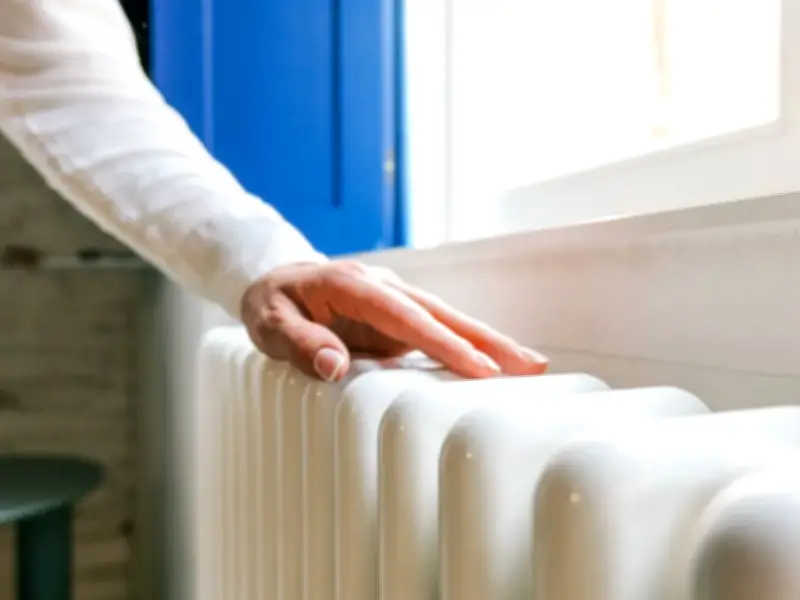
Households across the UK are being urged to carry out a simple 10-second task on their radiators now, before turning on the central heating for winter. Opening the Thermostatic Radiator Valves (TRVs) to their maximum setting can prevent the internal pin mechanism from sticking, a common problem that can leave rooms cold just when warmth is needed most.
With radiators dormant for several months, the quick step should be done while the weather remains mild enough to hold off on heating. The Radiator Company said: "Now is the perfect time to check that your home's heating is in good working order, so you're not caught short when the temperature drops. Carrying out a handful of basic maintenance tasks sooner rather than later ensures your heating system is efficient, safe, and ready for when the temperatures eventually plummet."
Why TRVs seize up
Having been switched off for months, TRVs may have seized in the closed position. Turning them to their fully open setting before firing the heating back up prevents the internal pin mechanism from sticking. The company explained: "Doing so prevents the internal pin mechanism from sticking - a frequent problem that can result in a cold, unheated room just when you need warmth the most. Keeping TRVs fully open during the off-season ensures the valves stay free-moving and responsive, ready for use when temperatures drop again. It's a quick, low-effort step that can extend the life and reliability of your radiator controls."
How to check your radiators
Now is the ideal time to inspect TRVs and turn them up to full, giving enough time to resolve any problems before relying on radiators to keep the cold at bay. To do so, find the TRVs on your radiator, typically located on the bottom left or right-hand side. Most TRVs feature numbers ranging from zero to five.
Rotate the TRVs until the number five is visible, indicating the maximum setting. The heating does not need to be switched on to carry out this step. If the TRVs turn with ease, the internal mechanism is functioning correctly and hasn't seized up. If turning is difficult, contact a plumber to resolve the problem ahead of winter.