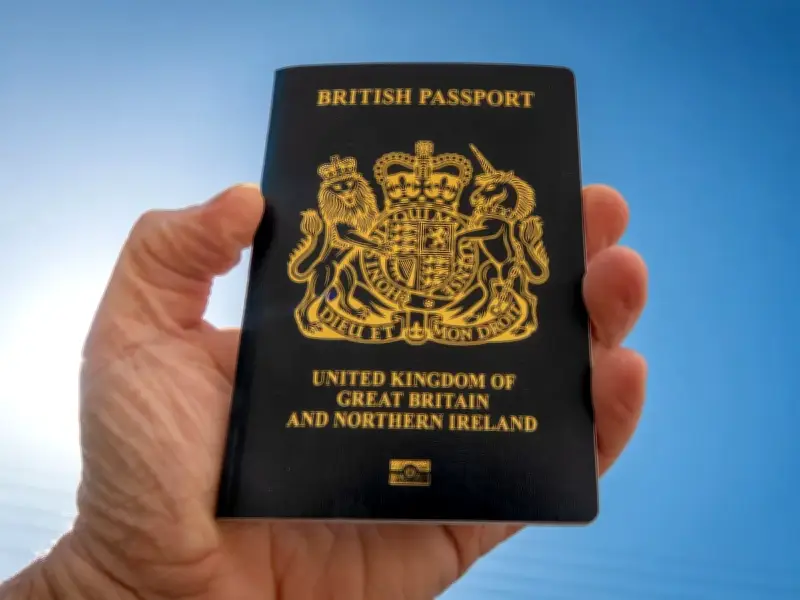
A travel expert has warned Brits to make four key passport checks before jetting off abroad, particularly ahead of the October half-term. The checks go beyond the obvious expiry date and include the 10-year rule for Schengen area travel, blank pages, and the overall condition of the document.
Four key passport checks
Rhys Jones, travel insurance expert at Go Compare Travel, said: "It’s important to remember that passport rules are about more than expiry dates." He advised: "Travellers should check whether their passport was issued within the accepted period for their destination, is valid for long enough after their trip, has enough blank pages where required, and is not too damaged to travel."
Brits travelling to countries in the Schengen area must ensure their passport was issued less than 10 years before the date they enter the country. They must also ensure it is valid for at least three months after the day they plan to leave.
Passport damage risks
Inspecting for passport damage is an easy thing to forget, particularly for seasoned travellers, but it is a crucial part of pre-holiday checks. Rhys warned: "A damaged passport can quickly become a much bigger problem than many travellers realise. Water damage is particularly risky because it can warp pages, blur personal details, affect stamps or visas, and make the passport harder to scan or verify. Even if it looks usable to you, airline staff or border officials may decide it is too damaged for travel."
He added: "If you turn up at the airport with a passport that is visibly damaged, you could be refused boarding before you even reach border control. Airlines have to be confident that passengers will be accepted at their destination, so a passport with water stains, peeling laminate, torn pages, missing pages, unreadable details or a damaged chip can lead to serious disruption."
The expert advised: "The key guidance is to check your passport well before departure, keep it dry and protected while travelling, and replace it if there is any doubt about whether it will be accepted." He added that if damage is noticed while still in the UK, the safest option is to replace the passport before travel. If already abroad and the passport is lost, stolen, damaged, full, recently expired or otherwise unusable, travellers may need to apply for an Emergency Travel Document (ETD), designed to help British nationals travel urgently from abroad when they cannot use their passport.
Can travel insurance help?
Rhys said: "Travel insurance can sometimes help here, but it depends on the policy and the circumstances. Some policies include cover for lost or stolen passports abroad and may contribute towards the cost of an ETD, replacement documentation, or reasonable extra travel and accommodation costs if the issue disrupts the trip. However, cover limits, excesses and exclusions vary, and insurers will usually expect travellers to report the issue promptly, keep receipts, and take reasonable care of their documents. If your passport was lost because of your own negligence, it’s likely your insurer won’t pay out."
For more information on passport rules to check, travellers can visit Go Compare's guide on their website.