British holidaymakers heading to Europe are being urged by the Foreign Office to keep hold of two important documents or risk being wrongly turned away at the border.
Since the UK's departure from the European Union in January 2020, travel rules have changed significantly. British passport holders can now stay in the Schengen Area for up to 90 days in any 180-day period without a visa, with this automatically recorded by the Entry/Exit System (EES), which was fully rolled out in April this year.
New digital border system
The new digital border system requires Brits to register their biometric data, including fingerprints and a photograph, upon arrival in a Schengen area. The EES has replaced manual stamping of passports and logs the date and time of entry into the EU, as well as the date and time of departure.

While the EES is intended to make it easier to monitor the length of a Brit's stay in the EU, the Telegraph has reported that some holidaymakers have found their duration tracker still counting up even after returning to the UK. This may be down to their exit from the EU not being correctly registered in the digital system, despite their entry having been recorded.
Travel disruption and delays
Travel disruption is widely believed to be the root cause, as since the EES was introduced in April, there have been widespread reports of considerable delays at EU airports, with thousands of holidaymakers struggling to navigate the new system. Some travellers have faced hold-ups of up to four hours, while others have missed flights altogether, prompting certain airports to temporarily halt EES checks or revert to manual passport stamping, reports the Express.
This, in turn, could prevent a British passport holder from having their departure from the EU correctly logged, and if they remain unaware, they could easily breach their 90-day allowance. This can land holidaymakers in seriously hot water, with the prospect of being denied entry upon returning to the EU, or facing a hefty fine of up to €10,000 (£8,550) — the maximum penalty for Brits overstaying in Spain without a visa.
Advice and guidance
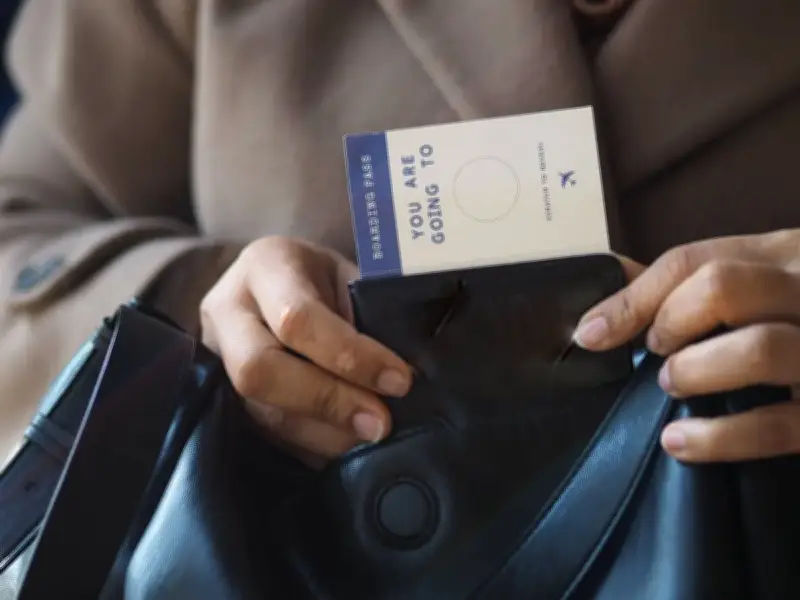
In an effort to avoid any confusion, the Foreign, Commonwealth & Development Office (FCDO) is urging Brits to hold on to travel documents such as boarding passes and booking records in case their time spent in the EU is incorrectly logged. These will serve as vital evidence of the actual length of their stay.
Earlier this month, the FCDO updated its guidance to incorporate EES requirements across the Schengen Area, including Spain, France and Greece. This includes advice on what steps to take should you believe an error has been made when processing your details.
The guidance states: "If you believe you have been incorrectly entered into EES or your record of time spent in the Schengen area is incorrect, approach border officials when you next cross the Schengen border and request a correction."
"If you are exempt, carry documentation confirming your status. If you believe your time spent in the Schengen area has been recorded incorrectly, raise this with border officials and be prepared to provide supporting evidence if requested."