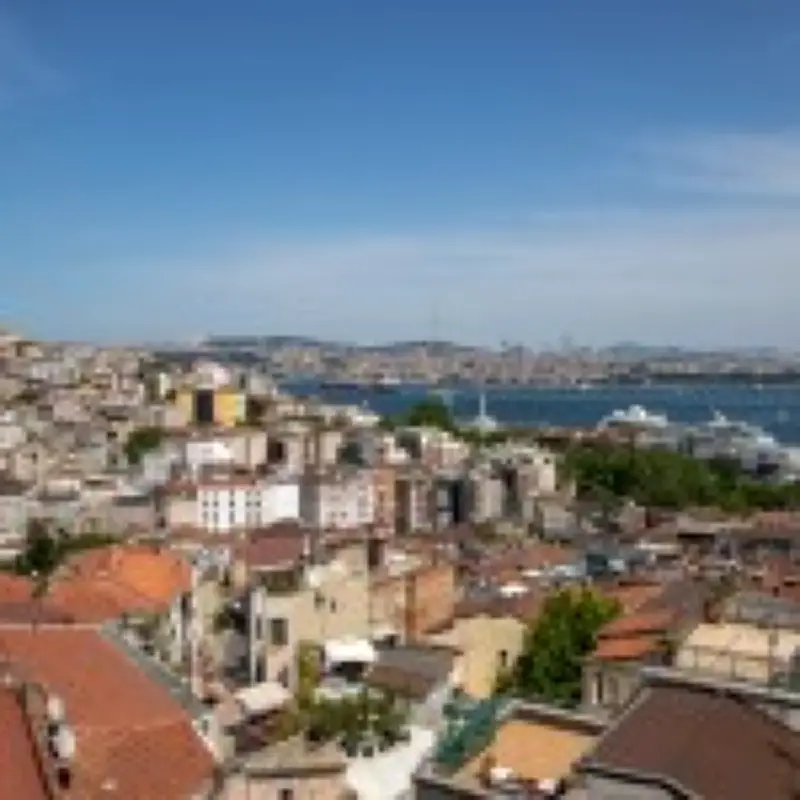
Istanbul feels like several cities rolled into one. Turkey’s largest metropolis, home to 15 million people, famously straddles the Bosphorus Strait with one foot in Europe and the other in Asia, but it has many moods and faces.
Of course, you can’t visit and not tick off at least one of the big hitters: the Blue Mosque (Sultanahmet Camii), a staggering example of Ottoman architecture, or the magnificent Hagia Sophia, built during the Byzantine period over 1,500 years ago. However, if you’re like me and don’t fancy baking under the sun while waiting in the interminably long queues for entrance, there are plenty of other off-the-beaten-path experiences to enjoy.
Istanbul is easily explored on foot, but the public transport system is geared towards tourism. Load up an Istanbulkart at the airport to tap on and off trains, trams and ferries – around 2,000TL (£30) is plenty – and join me for an alternative guide to 72 hours in the magical metropolis.
Day 1
Istanbul’s stray kitty population — estimated at around 250,000 — has earned it the nickname ‘City of Cats’. So, first things first, I head to the bohemian Cihangir neighbourhood in Beyoğlu on the European side to see the loving care for these community-adopted creatures in action. Hand-built wooden homes and dishes filled with food and water are dotted everywhere. You can pop a few Turkish Lira into a ‘Mama Otomati’ machine that dispenses fresh biscuits.
Happy, sated felines curl up in any available shady spot and most welcome an under-chin scratch. I pass a lovely hour in Fan Fin Fon, a quirky shoe shop on Turnacıbaşı Caddesi, where I try on unique styles under the watchful eye of Blondie, the owner’s cream and tan puss. The Cat Museum Istanbul offers a further fix, featuring the city’s biggest collection of kitty-themed art. Kitsch, cat-shaped cushions are sold everywhere, too, for around £10.
Kittened out, my next destination is Galata Bridge. The central section lifts to permit huge ships passage up the Golden Horn, the estuary that separates the Old City (Sultanahmet) from the New City (Beyoğlu and Galata). It’s far from Istanbul’s most elegant bridge (that award goes to the 15 July Martyrs Bridge, which gives Golden Gate vibes), but it offers the chance to soak up the atmosphere and join locals who hang fishing rods over the side in the hopes of catching horse mackerel, mullet or bluefish, three species found in the waters year-round.
Look for vendors displaying rows of colourful long fishing rods propped against the side and negotiate a hiring price. I befriend an ‘uncle’ – one of the regular anglers — who kindly lets me use his gear to attempt to land my dinner. I am not successful, but I am spoilt for choice with the seafood restaurants that line the lower-level boardwalk. I plump for Galata Sunset Restaurant and tuck into fresh, melt-in-the-mouth sea bream caught in the Bosphorus earlier that day.
Day 2
Turkish coffee fortune-telling (tasseography) is a centuries-old practice, and it’s enjoying a renaissance with the younger generation. Despite its cultural significance, kahve fali is still illegal. To get around this, you will pay more for a coffee – around £6 – in one of the many cafés around the back streets off İstiklal Caddesi, the city’s main shopping strip with international stores such as Mango and H&M. So, while I can’t disclose the café I choose, you can easily spot them: look for images of angels or tarot cards in the window.
After drinking the bitter, silt-like coffee, I flip the cup onto the saucer and let the grounds settle. I’d half-hoped for a head-scarved old lady to appear, but my falci is a trendy young woman who peers into the cup and sees a double line: the sign of travel in my near future. I’m not sure the short walk to the nearby Pera Museum really counts. But this little gem, set over five floors and featuring works by headline Ottoman artists, such as the hyper-real The Tortoise Trainer by Osman Hamdi, is worth the trip.
Day 3
I hop on the T5 tram to Balat, once the centre of the city’s Jewish community. Sitting on the fourth of Istanbul’s seven hills, its most famous street is Kiremit Caddesi, a steep cobbled thoroughfare lined with rainbow-hued houses (more than 200 years old, I am told). Beyond the influencers fighting for the perfect picture lies a laid-back neighbourhood with artisan studios and vintage shops. I particularly love Balat Cini Atolyesi, where you can watch artists hand-paint their delicate ceramics.
After racking up almost 15,000 steps a day, my legs are screaming for some R&R. I join the locals on the public ferry from Eminönü Turyol Pier across to Karaköy (a breathtaking voyage in itself) and head to the historic Galatasaray Hammam. The sun is setting, adding a fiery backdrop to the city skyline. Aside from the timeless silhouettes of the Blue Mosque and the Hagia Sophia, I spy the Dolmabahçe Palace. This 19th-century building, commissioned by Abdülmecid I, and home to six sultans, seems to rise from the waters. Its majestic blend of Baroque, Rococo and Neoclassical architectural styles serves as a reminder of the once powerful Ottoman Empire.
For a second visit (I’m already planning mine), you can take a longer cruise across the Marmara Sea to the Princes’ Islands. A clutch of nine islands, the must-visit is Büyükada, a car-free paradise featuring historic wooden houses, fragrant pine forests and unspoilt beaches.
At Galatasaray Hammam, I go all in with the full treatment, which costs around £70. You can also pick the ‘self-service’ option (and copy the majority of Istanbulites) for approximately £30. After melting into heated marble in the domed steam room of the atmospheric 15th-century building, I am dry-brushed and covered in foam, before being sluiced with water to within an inch of my life. Ottoman hammams were used by the faithful to purify themselves before prayer and in some cases as a symbolic rebirth.
I leave feeling like a new woman, lucky to have found the best of this spectacular city away from the tourist traps.
How to get to Istanbul and where to stay
Getting there
Turkey’s budget airline A Jet flies from London Stansted to Sabiha Gökçen International Airport. Return flights cost approximately £260. British Airways flies from London Heathrow to IGA Istanbul Airport. Return flights cost approximately £480.
Where to stay
Witt Istanbul Suites in Cihangir offers loft-style, boutique vibes. A good choice for nightlife lovers – listen to live DJs and sip vodka cocktails at Kiki. Suites from £229. Ferman Port Hotel in Karaköy was originally a 14th-century hospital and boasts an impressive three-storey-high light-filled atrium. Rooms from £90.