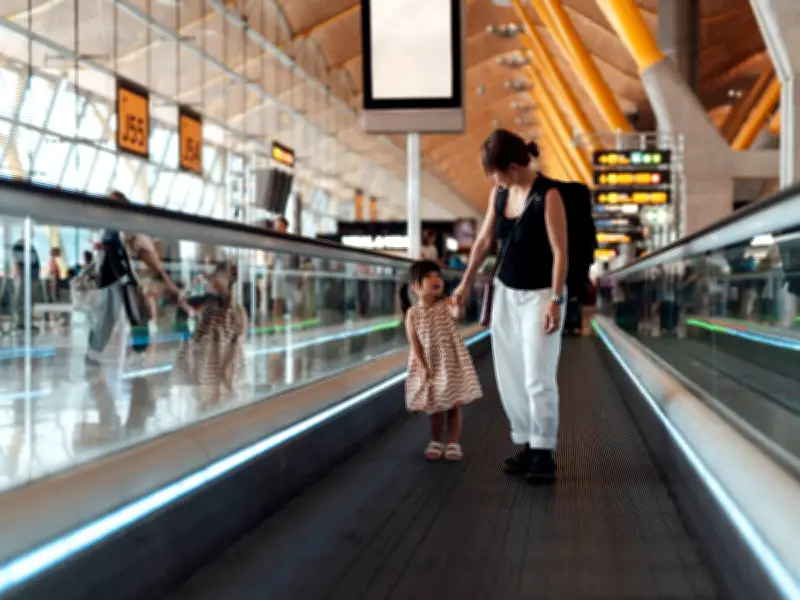
Opinions differ sharply on what to wear to the airport. While some would welcome a return to dressing up for air travel, others, including this travel writer, believe comfort should come first when boarding. However, certain clothes that feel fine on the ground can be a poor choice in the air. There are specific reasons why some garments are best left in the suitcase, and these are the five items this frequent flyer would always reconsider wearing on any trip, long or short.
Maxi skirts and dresses
Wearing holiday clothes on the plane so you are ready for sunshine on arrival is tempting, but flowing maxi dresses and skirts come with drawbacks. On a recent flight, wearing a long dress made a trip to the bathroom awkward, as the fabric caught on fellow passengers' armrests while squeezing past. Inside the loo, the material had to be bunched up out of the way in the tight space.
By landing, the linen dress was so creased it looked as though it had been worn for a week rather than a two-hour flight. Airport conveyor belts and escalators are also tricky when wearing anything with length.
Shorts
Shorts are another holiday staple many choose to travel in because they are comfortable and lightweight. But aircraft crew often advise against them. In the unlikely event of an emergency evacuation using slides, descending in shorts could be very uncomfortable. The slide material is built for speed, not comfort, and passengers who have evacuated via slides have reported friction burns on hands and legs.
The main issue with shorts, however, is that bare skin on vinyl seats combined with hot cabin temperatures is a combination to avoid. If you do wear shorts or a short skirt, it is better to choose fabric that reaches the knees to avoid discomfort when getting up from your seat.
Rompers and jumpsuits
Wearing a jumpsuit to avoid changing at the hotel may seem efficient, but it quickly becomes impractical. One experience involved struggling to take a black jumpsuit off and back on in an easyJet toilet, wondering whether it would take a dislocated shoulder to squeeze back into it while keeping the fabric off the dirty floor. That experience sealed the decision to stick to two-piece clothing on flights.
Strappy tops
Aircraft temperature control often feels like it has just two settings: extremely hot or so cold that the scratchy airline blankets become tempting. Wearing a vest top on a flight once led to freezing in the full-force air conditioning, making it necessary to borrow a hoodie. Light layers are the answer. When it is cool but not cold enough for a sweatshirt, a long-sleeved T-shirt in a lightweight fabric works well.
Light colours
Heading to a sunny destination makes a light-coloured top or dress appealing, but flying can be messy. Spilt coffee and oozing sandwich fillings have ended up on clothing over the years. To avoid arriving at a hotel with visible reminders of lunch, it is wise to request extra napkins, choose a patterned fabric, or simply avoid light colours altogether.