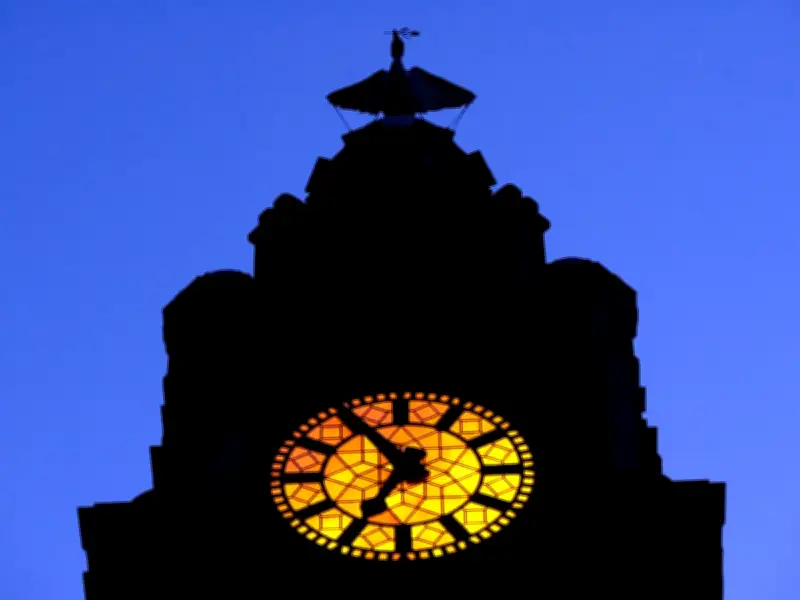
The clocks in the UK will move back one hour on October 25, marking the end of British Summer Time (BST) and the return to Greenwich Mean Time (GMT).
This change means an extra hour in bed, but also signals the start of darker evenings, with the sun setting before 5pm throughout the winter months.
When do the clocks change?
In the UK, the clocks go forward one hour at 1am on the last Sunday in March, and back one hour at 2am on the last Sunday in October. The period when the clocks are one hour ahead is called British Summer Time (BST), providing more daylight in the evenings and less in the mornings.
When the clocks go back, the UK operates on Greenwich Mean Time (GMT), resulting in lighter mornings but shorter daylight hours in the evening.
History of daylight saving
Daylight saving has been in place in the UK since 1916, but the concept was first proposed by American inventor Benjamin Franklin in 1784. The idea gained momentum when British builder William Willett campaigned for changing the clocks.
During the First World War, the German army turned the clocks forward to conserve energy, and many European governments, including the UK, soon adopted the practice. It was introduced in the UK during the war to make better use of daylight hours, allowing people to work longer and save fuel.