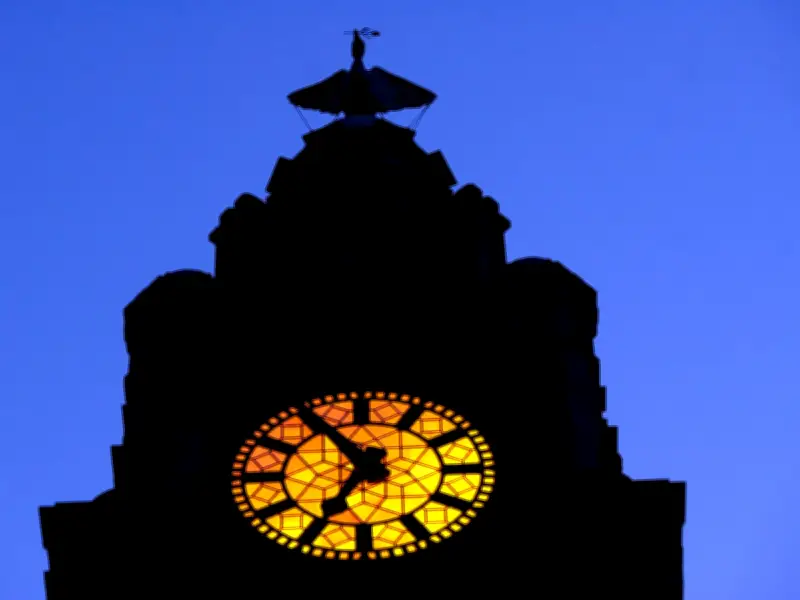
Clocks in the UK will go back one hour at 2am on Sunday, October 25, 2026, marking the end of British Summer Time (BST) and the return to Greenwich Mean Time (GMT).
This means the long hours of sunlight enjoyed over the past few months will soon come to an end, with the sun starting to set before 5pm. The change also gives everyone an extra hour of sleep.
Why Clocks Change
In the UK, clocks go forward one hour at 1am on the last Sunday in March, and back one hour at 2am on the last Sunday in October. The period when clocks are one hour ahead is called British Summer Time, offering more daylight in the evenings and less in the mornings.

An easy way to remember which way the clocks change is to think of the seasons. In spring, clocks 'spring forward', while in autumn they 'fall back'.
History of Daylight Saving
Daylight saving has been happening in the UK since 1916, but the idea was first put forward by American inventor Benjamin Franklin in 1784. The concept gained traction when builder William Willett campaigned in Britain to change the clocks, continuing until his death from influenza in March 1915.
The German army turned the clocks forward as a way of conserving energy, and many European governments followed suit, including the UK. It was introduced in the UK during the First World War to make better use of daylight hours and allow people to work for longer while saving fuel.
Modern Debate and Practical Tips
Some argue that changing the clocks is now redundant, given that many people spend most of their time in well-lit homes, shops, and offices where daylight makes little difference. The weekend timing of the change was chosen because it happens on Saturday night and Sunday morning, being the least disruptive option for schools and businesses.
Royal Museums Greenwich said: "About 70 countries have some form of daylight saving time, but it varies from region to region. Much of Europe and North America, as well as parts of South America and Australasia, change their clocks. However, many countries in Africa and Asia situated around the equator do not change the time."
Some watches and clocks in cars and kitchens, for example, may not change on their own, so be ready to wind them back.