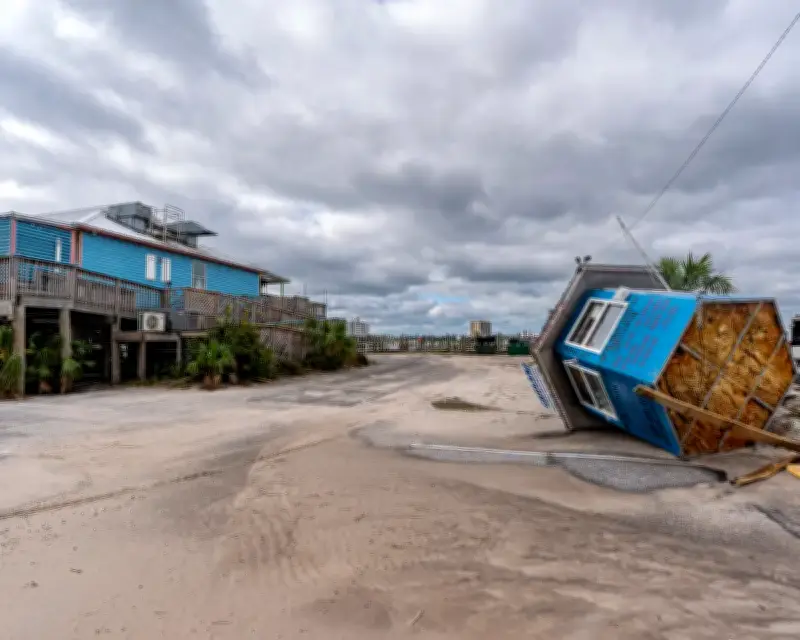
Florida officials have confirmed six deaths in the aftermath of Hurricane Isaias, which made landfall late on Friday, bringing strong winds, rain, flash floods and tornado threats across parts of the US south-east, leaving hundreds of thousands of residents without power.
Governor praises local officials
In a press conference on Tuesday, Florida governor Ron DeSantis praised the work of local officials for minimizing the storm's impact. He confirmed the six deaths linked to the hurricane, including two previously confirmed deaths.
One person was killed after a fallen tree on a home resulted in a direct fatality. Another individual was found deceased in their garage with a running generator in Escambia county. The remaining deaths linked to the storm include a car accident at an intersection and storm-related disruptions to two people's medical treatment.
Precautions credited for lower toll
Despite the half-dozen deaths, DeSantis praised Floridians and local officials for taking proper precautions, linking it to a lower death toll compared to previous storms.
"We're sad to hear that. At the same time, we've had some where there have been a lot more. So I think that people did take precautions and I think the local officials did a good job of spreading the word," DeSantis said Tuesday.
Power outages and aid distribution
About 5,000 people in Florida remain without power north-west of where the storm landed, according to DeSantis. Free supplies are being provided at different distribution locations to Floridians impacted by the hurricane.
Isaias is the first Atlantic hurricane of the 2026 season. As a result of the strong El Niño, it has been a notably quiet Atlantic hurricane season. The first hurricane of the season has not formed this late since 8 October 1905, which pre-dates the satellite era (1960s) for tracking hurricanes that has allowed for more non-landfall hurricanes to be discovered.
Isaias is also the first hurricane to make landfall in the continental US in two years, since Milton struck western Florida in October 2024. The National Oceanic and Atmospheric Administration (Noaa) said there is increasing likelihood of life-threatening storm surges along portions of the northern Gulf coast and damaging hurricane-force winds over portions of the Florida panhandle, southern Alabama and Mississippi.