The village of Imber in Wiltshire, once a thriving settlement dating back to the Iron Age, has been uninhabited since 1943 when its residents were evicted with less than 50 days notice to make way for military training. Today, only one building—the 13th-century St Giles' Church—remains occasionally functional, while the rest of the village serves as a training ground for urban warfare.
Eviction and Military Takeover
Imber, located on Salisbury Plain, was a small, isolated community. By the late Victorian era, the British government began purchasing land for military use, and by the outbreak of World War II, the entire village was owned by the state. The approximately 150 residents lived as tenants of the War Department (now the Ministry of Defence). In 1943, they were given less than 50 days notice to leave, as the military took over to train American troops ahead of the D-Day invasion of Europe.
The village's homes were used for urban warfare training, preparing soldiers for close-quarters combat in French towns and cities. Over time, the original buildings were damaged by gunfire and replaced with concrete mock structures that remain in use today.

The Only Functioning Building: St Giles' Church
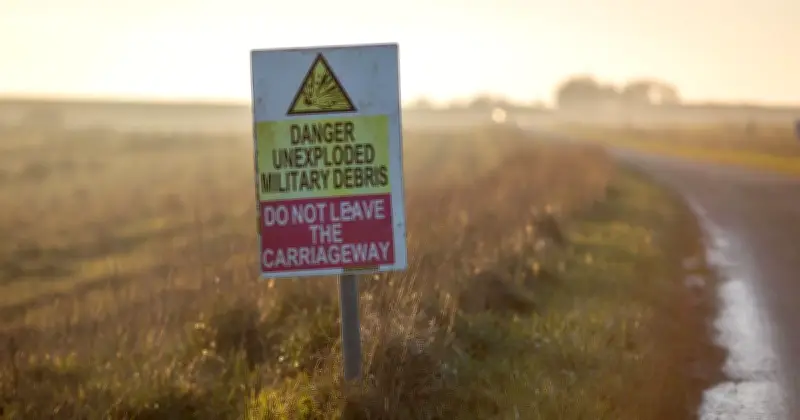
The sole building that still operates, albeit occasionally, is St Giles' Church, dating from the 13th or 14th century. Although classified as redundant for regular worship, it is maintained by the Churches Conservation Trust and holds services on special occasions. According to St Giles' Church's website, public access is granted for up to 50 days each year, though the actual number often falls short. Access is typically allowed during Easter, Christmas/New Year, and August, but the military training schedule dictates exact dates. Unauthorized entry is strictly prohibited, and visitors must follow designated routes to avoid hazards.
Modern Use and Access
The village remains under military control, with concrete mock homes used for ongoing training. Public notices about access are posted on the Ministry of Defence website and in local press. The village's surreal, abandoned state attracts interest, but access is tightly controlled to ensure safety.