Nine in ten British adults follow at least one superstition in the hope of improving their luck, according to research by bingo firm tombola arcade. The study of 2,000 adults found 92% have at least one luck-chasing ritual, and more than half (52%) consider themselves lucky.
Almost one in 20 have re-worn the same 'lucky' underwear without washing it, while one in 12 admitted avoiding showering or bathing for 'several days' because they believed it could bring better luck. A previous YouGov survey claimed that 34% of Britons describe themselves as either 'very' or 'somewhat' superstitious.
Most common rituals
Touching wood is the most commonly followed good-luck ritual, with almost two in five (38%) saying they have done it to improve their fortune. Crossing fingers followed closely behind (37%), while almost a quarter have avoided walking underneath a ladder because of its association with bad luck (24%).
The research reveals one in six (16%) refused to throw away an item they associated with good fortune, while one in seven (14%) said they had changed their route to an important event. Job interviews are Britain's biggest 'wish me luck' moment, as 29% said they would like a little extra good fortune for a job interview, closely followed by 28% who would welcome luck while waiting for medical test results.
Expert views on superstition
Psychologist Dennis Relojo-Howell at psychology research firm Psychreg said: "High pressure moments strip away our sense of control. Superstition offers a way to feel like we're doing something, even when the outcome is genuinely out of our hands. It's less about magical thinking and more about managing anxiety."
"Believing you're lucky often works like a placebo for confidence. If you walk into an interview or a test convinced things tend to go your way, you're likely to appear calmer and more composed, which can genuinely shape how others respond to you," he added. "Rituals like touching wood or crossing fingers survive because they're comforting and low effort. They give people a small sense of urgency before big moments, and because they're shared culturally, they also connect us to something familiar, even in a society that's otherwise become quite secular and rational."
Micala Sansom, social and community manager at tombola arcade, said: "While luck means different things to different people, our findings show many superstitions are so deeply ingrained in our culture that we no longer think of them as superstitions at all."
"From wishing for a smooth journey to hoping for success in a job interview, it seems many of us would welcome a little extra luck when the stakes feel highest. At their core, superstitions are attempts to make sense of uncertainty or gain a feeling of control over situations that are largely beyond our influence. They often stem from age-old fears, beliefs or gaps in our understanding of the world," she said.
Top 10 superstitions
- Touched wood - 38%
- Crossed fingers - 37%
- Avoided walking under ladders - 24%
- Avoided saying something for fear of jinxing it - 16%
- Carried a lucky charm - 16%
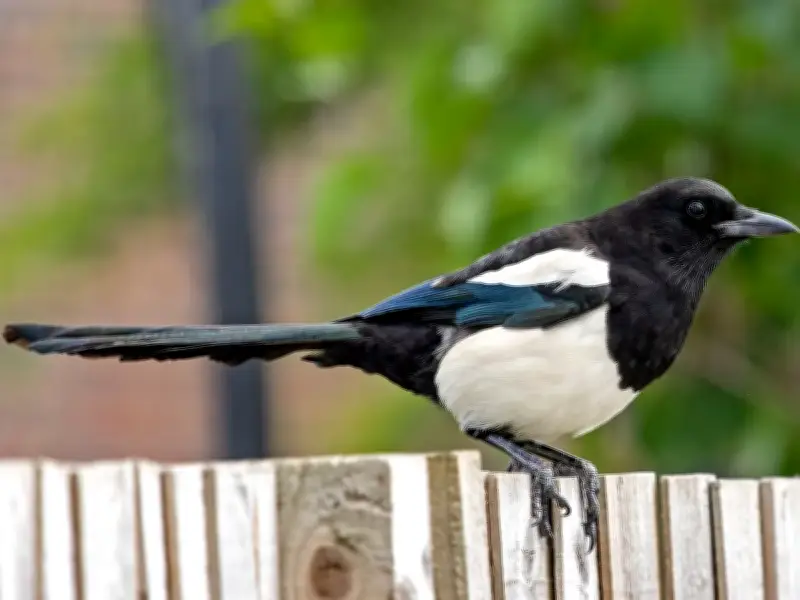
- Saluted to a magpie - 16%
- Wished on a star - 15%
- Avoided cracks in the pavement - 12%
- Worn a lucky item of clothing - 10%
- Avoided crossing on the stairs - 10%