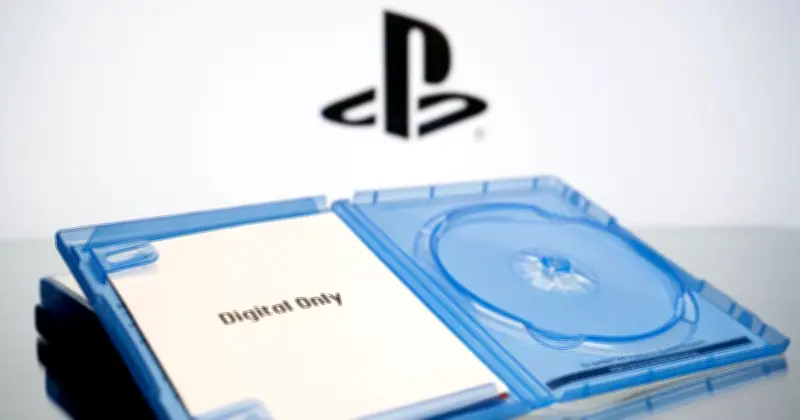
Sony has announced that physical discs will be discontinued on all PlayStation platforms from January 2028. While older titles can still be played with a disc drive, new games published after that date will not receive physical releases on Sony devices.
The announcement, made at the start of July, has sparked backlash from gamers. Social media replies to PlayStation posts are flooded with demands for a U-turn, with some threatening boycotts and others signing petitions like 'Don’t Kill the Disc'.
Ownership and Preservation Concerns
Critics raise two main arguments: ownership and preservation. Physical discs are seen as providing true ownership, unlike digital licenses that can be revoked. Sony has previously removed digital licenses, such as over 550 Studio Canal movies and TV shows, without refunds.
Preservation is also harder with digital-only distribution. Discs allow players to access original versions of games, like the broken 1.0 version of Cyberpunk 2077 on PS4, without automatic updates. However, this is changing.
Discs Already Require Digital Support
Data from DoesItPlay found that around 34% of tested PS5 games require an update or connection to Sony's servers to be playable. Many newer games exceed the 100GB limit of Blu-Ray discs, and live-service games like Diablo 4 are barely recognisable from their day-one versions.
In practice, discs have become glorified digital licence keys. With manufacturing and distribution costs, plus revenue lost to third-party retailers, Sony's decision is understandable. Around 80% of game sales on its platform are now digital, according to Sony.
The Case for Digital Rights
Despite the backlash, Sony says it will 'cautiously' continue its plan. The real issue may be consumer rights in a digital future. Campaigns like 'Stop Killing Games' in the EU and 'PlayStation: You Owe Us' in the UK are already pushing for better digital rights and competition.
PC gaming offers a blueprint, with Valve's Steam known for refunds and consumer goodwill, though it holds a dominant position. Regulation, like the EU's Digital Markets Act, can force change, as seen with Apple and Epic Games.
The second-hand market remains a concern, but Xbox is exploring ways to convert physical games into transferable digital licenses. Sony's discs lack the identifiers for such a system now, but it's not impossible.
Ultimately, Sony's decision prioritises convenience and corporate interests over consumer trust. Campaigning for better digital rights may be more productive than clinging to discs.