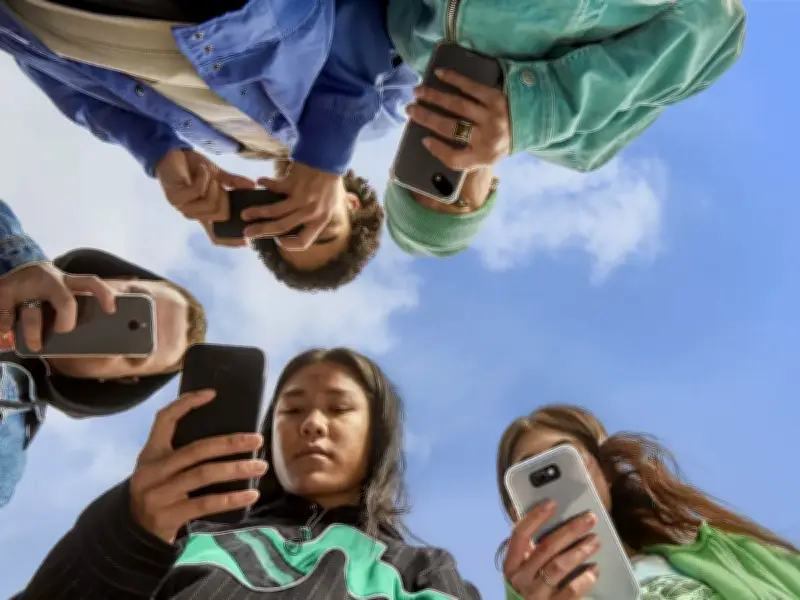
Meta has committed to stronger safety features for under-18s on Facebook and Instagram in the UK, following a legal settlement in the US worth up to £13.3 billion. The new protections and controls will apply automatically to under-18s on its platforms, subject to court approval and only for participating US states.
Meta has also pledged to strengthen tools to prevent underage accounts from being created. Age verification has been a challenge globally, with studies consistently showing children can bypass restrictions.
UK minister expects rollout
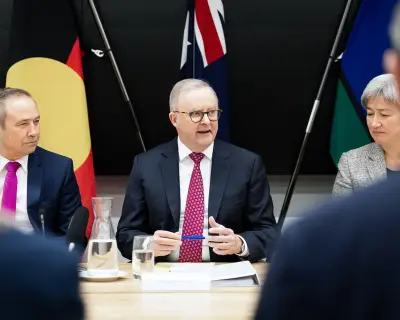
Cabinet minister Pat McFadden said he would expect Meta to roll out the new safety features for children in the UK. “We don't want a situation where young people in America have got a higher rate of protection than young people in the UK. But we're not just leaving it to Meta. We're taking action ourselves,” the Work and Pensions Secretary told Sky News on Thursday.

McFadden noted that Prime Minister Keir Starmer had announced a ban on social media for young people to come into force next year, along with night-time curfews. “We've got to do something about this endless scrolling, which is so addictive for young people.”
UK ban and curfews
A UK social media ban for under-16s is due to come into force next spring, with legislation to be outlined by the end of the year. Teenagers aged 16 and 17 will face a default block on accessing social media from midnight to 6am, along with a ban on infinite scrolling, autoplay videos, and recommender feeds that push personalised content.
Recent polling by Censuswide suggests a majority (84.6%) of 16- to 18-year-olds would opt out of the optional curfews. Meta's latest measures could be more effective, as they are designed only to be turned off by a parent or guardian.
Meta's safety package
Meta's package includes a default two-hour daily time limit across Instagram and Facebook, prompts after 15 minutes of continuous use, and notifications at 60 and 90 minutes. It also includes plans to hide “likes” on posts, a block on access during school hours, and stopping youngsters from accessing make-up filters that mimic cosmetic surgery effects.
Meta's plans to improve verification of children could take up to a year to be rolled out, but they are crucial for the success of the safety measures. UK studies have shown young people are getting around social media age checks by using fake birthdays, shared accounts, altered photos, and even drawing on false moustaches.
The UK's Online Safety Act introduced a wide range of safety measures to protect children from online harms, but its effectiveness depends on social media firms introducing robust age verification measures. Some 85% of under-16s are still accessing social media in Australia despite a ban having come into force last December, according to research published by Australia's University of Newcastle in June.
Legal settlement and reactions
Meta's court agreement on Wednesday resolves claims filed by 47 US states accusing the tech giant of designing Instagram with features that are addictive to children and teenagers and can harm their mental health.
Some online safety campaigners criticised the settlement, with the Molly Rose Foundation saying: “We have been deprived of yet another opportunity to discover more about what Meta really knows about the harm it causes its young and vulnerable users.”
Others welcomed the safety measures. Mark Rowland, chief executive at the Mental Health Foundation, said: “We are pleased to see Meta making these changes in America, and now they must be implemented worldwide. There is significant and growing body of evidence showing how social media can harm people's mental health.”