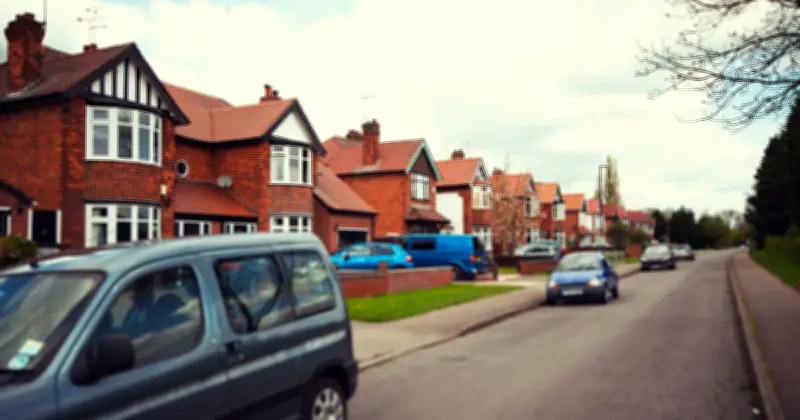
Finding someone parked on your driveway can be infuriating, but taking matters into your own hands could land you in legal trouble. Legal and motoring specialists say parking on a driveway without permission is trespass, a civil matter, not usually a crime. That means police often won't attend unless there's aggravation such as threats, damage, or breach of the peace.
What to do if someone parks in your driveway
Paul Britton, CEO of Britton and Time law firm in London and Brighton, recommends putting a clear, polite note on the windscreen asking them to move and giving a time limit. If you can identify them locally, ask them directly, but remain calm and courteous. If it continues, consider a solicitor's warning letter and then civil action if needed.
He cautioned: "You can't clamp them. Private clamping is generally unlawful. If someone dumps a car on your drive the law gives you civil remedies but no quick DIY removal route. Don't damage it, push it into the road, block it in, clamp it or tow it. Don't get into a confrontation - especially if you're filming or they are."

If your own car is blocked in, there is no straightforward or immediate solution. Britton explained: "If your car is blocked in on your own drive, you're again into obstruction/enforcement territory - start with the council (if on the road) and police only if there's danger, threats or serious obstruction."
Is it illegal for another person to park in your driveway?
Leaving a vehicle on somebody else's driveway is not a criminal offence. It represents the civil offence of trespass, meaning police intervention is improbable unless there are further aggravating circumstances.
The Road Traffic Act 1991 transferred responsibility for parking enforcement to local authorities, who can only step in if the offence takes place on a public highway - that is, the road itself. Should a vehicle be blocking a driveway while parked on a public road, the council can intervene, most likely by issuing a penalty. However, when a vehicle is parked on a driveway, it is technically on private land, so the council does not have the authority to remove it. If the vehicle has clearly been abandoned, the local authority would be required to remove it regardless of whether it is on public or private property. If the car has valid tax, insurance and MOT and does not pose a hazard, the council is powerless to act.
How can I prevent someone from parking in my driveway?
Jonathan Such, motoring expert at vehicle finance provider First Response Finance, recommends clearly marking your driveway with visible signage such as 'Private Driveway – No Parking' as a strong deterrent. He also advises keeping access points clear and well defined, repainting faded dropped kerb markings where permitted or installing driveaway markings to remove any ambiguity.
John Wilmot, CEO of car leasing comparison site LeaseLoco.com, said that "while the most effective way to protect your property is installing a driveway gate, putting out simple deterrents like parking bollards or posts, cones and signs can also help to prevent strangers from parking in your driveway".
What should I do and not do if someone parks in my driveway?
More than 10 legal and automotive specialists shared their views, and their guidance was strikingly similar.
Do: try and find the driver; leave a polite note on the car explaining that your drive is private property and asking them to please not do it again; take pictures of the car in your driveway; get legal advice if it continues, as you may be entitled to pursue civil proceedings and the courts have the power to have the car removed (although this could prove expensive); if the vehicle appears to have been abandoned indefinitely, notify the council, which may remove it from private land where appropriate; fit a driveway gate, position straightforward deterrents such as parking bollards or posts, cones and signage to discourage and stop strangers from parking on your driveway.
Do not: clamp, damage, or tow the vehicle without lawful authority; push the car into the road.