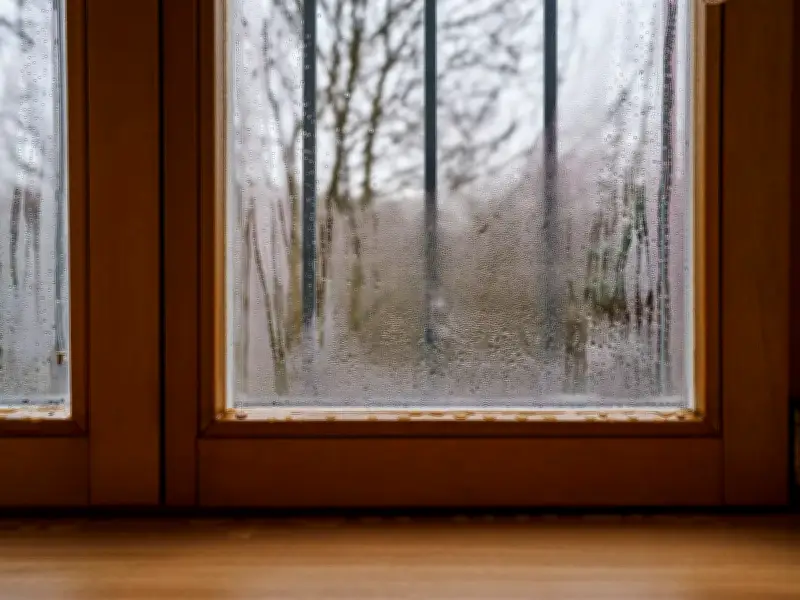
Window condensation can be stopped from returning with a single kitchen cupboard essential, according to cleaning expert Lynsey Crombie, known as the 'Queen of Clean'. The method uses ordinary washing-up liquid to create a protective barrier on glass, preventing droplets from forming.
Left untreated, window condensation leads to a build-up of damp and humidity within a room, making a home colder while encouraging mould growth. Mould poses health risks, proves stubborn to remove and damages walls, while excess moisture forces heating systems to work overtime, potentially pushing up energy bills.
How the washing-up liquid trick works
Condensation forms when water vapour meets an extremely cold surface, causing droplets to appear. Washing-up liquid reduces the water's surface tension and creates a protective barrier. A tiny amount leaves behind a thin invisible film which prevents droplets from adhering to the glass surface and accumulating.
Lynsey explained: "Pop a tiny amount [of washing up liquid] onto a dry microfibre cloth and rub all over the glass pane, you won't get smears as you are using the tiniest amount. This creates a barrier and prevents condensation. This is such a brilliant old-school tip that works so well."
It is an affordable and straightforward solution for tackling condensation if purchasing a dehumidifier or window vacuum is not an option.
Preventing condensation from forming
The most effective method for preventing window condensation is to avoid allowing moisture or humidity to accumulate indoors. Rooms should be well-ventilated when drying laundry, and damp garments should not be placed on radiators, as this is among the primary culprits for condensation.
Lynsey advised: "Dry clothes outdoors or in a room with good ventilation, open a window slightly, turn off the radiator and place your drying rack in front of a bright window to help dry faster. Close the door to this room whilst the window is open."
Alternatively, heated clothes dryers have become more common due to the cost of using tumble dryers. Windows should also be cracked open when preparing meals or following a shower, as the steam generated will lead to dampness and window condensation during this time of year.