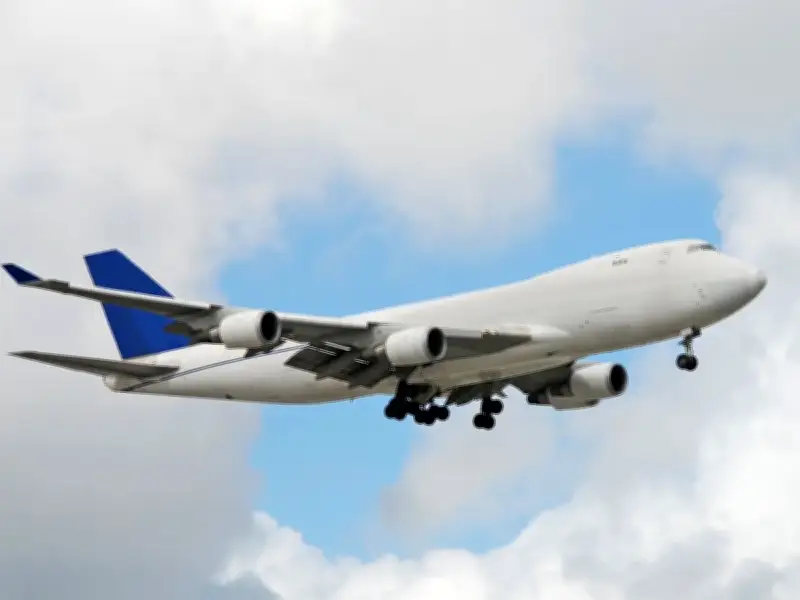
A Boeing 747-433 cargo plane departing London Heathrow was forced into a dangerous nose-down descent after an on-board electrical fault froze the pitot tubes, according to a report by the Air Accidents Investigation Branch (AAIB).
The aircraft, bound for Hong Kong International Airport, suffered numerous electrical issues that began during the take-off roll and worsened during the climb. The problems were caused by the loss of AC electrical buses 1 and 4, which resulted in multiple failure messages for the flight crew to manage as well as the loss of all pitot tube heating.
Frozen tubes trigger mayday
Unwanted water and ice from outside the aircraft had managed to get inside, compromising the air conditioning system. The crew discovered the issue only while airborne, and it was quickly found that the tube heating — a powerful electric element used to measure airspeed — had become frozen.

Frantic crew attempted to resolve the sudden failure before issuing a PAN, an urgent safety alert that requires priority handling from Air Traffic Control. But the tubes had frozen, which forced the pilot into a dangerous descent.
Nose-down at 12,000ft
A mayday was declared as the cargo plane was pitched nose-down at approximately 12,000ft to regain indicated airspeed. The report stated: "The aircraft suffered numerous electrical issues which began during the takeoff roll and worsened during the climb. These were caused by the loss of AC electrical buses 1 and 4, which resulted in multiple failure messages for the flight crew to manage as well as the loss of all pitot tube heating."
The report added: "The flight crew carried out numerous, concurrent checklists to deal with the system failures, declared a PAN and started to divert to Amsterdam Schiphol Airport. When a pressurisation issue caused the crew to initiate a descent, the aircraft entered icing conditions and the pitot tubes froze, resulting in all three airspeed indicators indicating an erroneously low airspeed. The autopilot remained engaged and pitched the aircraft nose-down to regain indicated airspeed."
Safe landing and recommendations
The pitch reached 7.6° nose-down with an associated 6,240 ft/min descent rate, before the aircraft exited icing conditions, correct airspeed was regained and the autopilot pitched up. The descent had resulted in an 18 kt overspeed.
The plane later landed safely at Amsterdam Airport Schiphol, the main international airport of the Netherlands. The AAIB carried out a detailed investigation into the incident on February 8, 2024, and made public its safety recommendations. The watchdog found that ice and water were to blame and noted previous "events of water ingress" on the aircraft. It set out four recommendations, including introducing measures such as installing a fibreglass reinforcing overcoat.