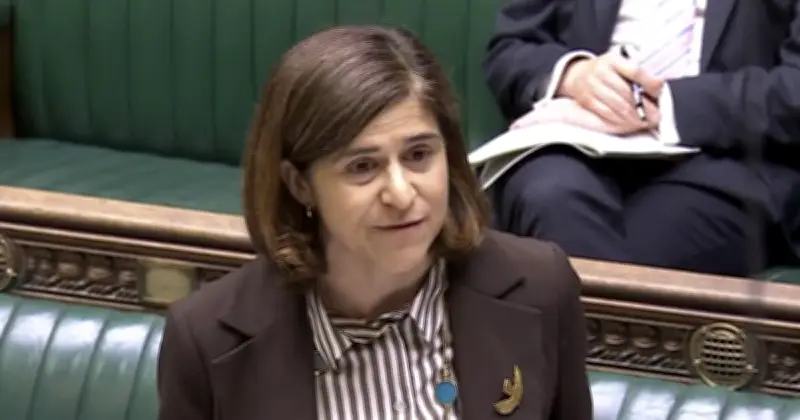
The Government has outlined the support available to people with autism and dyslexia who are using the UK justice system, including those attending courts and tribunals. The Ministry of Justice issued a statement following an enquiry from Cat Smith, Labour MP for Lancaster and Wyre, who asked what steps were being taken to help those with either condition within the justice system.
Minister details 10 reasonable adjustments
Sarah Sackman, Minister of State at the Ministry of Justice, replied: "HM Courts and Tribunal Service (HMCTS) has a legal duty under the Equality Act 2010 to provide reasonable adjustments for users with disabilities, including dyslexia."
She added: "HMCTS supports court and tribunal users with dyslexia and autism through its reasonable adjustment process."

The minister detailed a full list of 10 measures that can be made available, including explanations and instructions given slowly and clearly, considering appointing an intermediary to help communication, allowing more time in hearings, and fully or partially remote hearings.
Other measures include providing guidance in audio or easy read, speaking slowly and allowing extra time to answer, allowing more time to explain procedures, providing forms in alternative formats such as large print, offering to read forms and leaflets out to users, and allowing a close relative or carer to accompany the person.
Sunflower lanyards and judicial guidance
Sackman added: "HMCTS is a member of the Hidden Disabilities Sunflower network to help people visiting court and tribunal buildings who may need additional support. Users who choose to wear the Hidden Disabilities Sunflower are discreetly indicating they need additional support, help or a little more time."
She continued: "Court and tribunal staff know how to recognise the Sunflower lanyard and may ask what we can do to help. Sunflower lanyards are available in all our buildings free of charge. Users are encouraged to contact HMCTS to discuss any particular adjustments so that the support can be tailored to their individual needs."
The minister also referenced the Equal Treatment Bench Book, published by Judicial College, which contains guidance on fair treatment, equality issues and general information on disability issues and religion for judges, including information on dyslexia and autism.
Neurodivergence in the justice system
The Youth Justice Institute states on its website: "Children with neurodivergence often face unique challenges that are overlooked or misunderstood in many systems, including education, health, and youth justice. Their needs require specialised understanding and support to prevent misdiagnosis, exclusion, or criminalisation."
In a blog on the gov.uk website published in 2021, a probation worker named only as Laura explained some of the workings around the court system for people with conditions such as autism and dyslexia. She said: "Neurodivergent individuals often struggle in unfamiliar environments, this is because their brain processes, functions and interprets information differently from a 'neurotypical' brain."
Laura added: "When I meet offenders for the first time, it is not always apparent if they have a neurodivergent condition such as Autism, ADHD, or dyslexia and they may require additional support. Although committing a crime is completely unacceptable, those with learning difficulties often offend due to their own vulnerabilities."
The British Dyslexia Association provides guidance for individuals with the condition navigating the court system, and the National Autistic Society offers guidance for people with autism involved with the courts.