UK prime minister Andy Burnham has said football fans face “discrimination” because they cannot drink alcohol in the stands, signalling that he may change the law. The ban was hastily introduced by Margaret Thatcher’s government in 1985 to crack down on football violence, which had blighted the domestic and national games for several decades. Excessive alcohol consumption was seen by the authorities as a significant factor in disorder.
1985 legislation and its origins
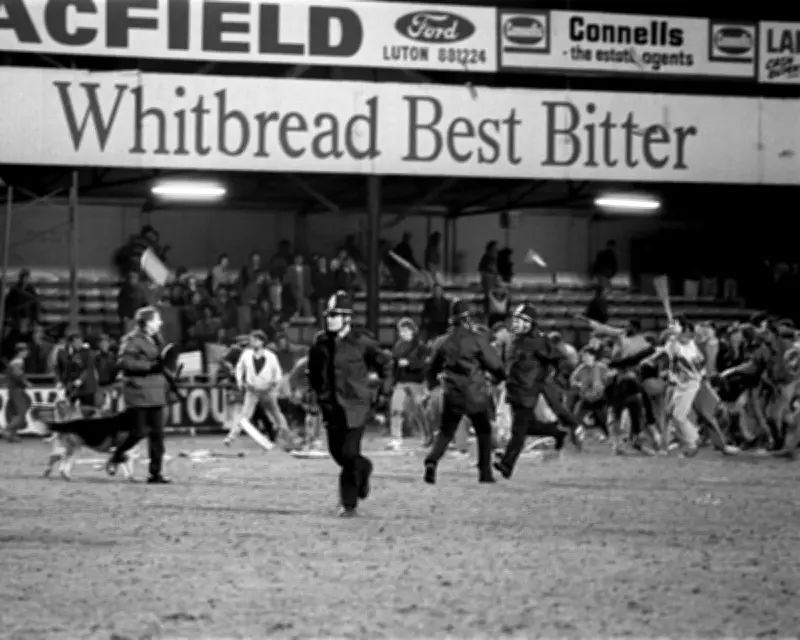
The violence at the infamous 1985 FA Cup match between Luton Town and Millwall in March 1985, along with the Heysel Stadium disaster, hastened the political and legal push for tougher measures to curb trouble. These included the Sporting Events (Control of Alcohol etc.) Act 1985, which banned alcohol from football grounds in England and Wales. Alcohol had already been banned in Scottish football grounds since 1981.
After pressure from clubs, the 1985 Act was amended the following year by the Public Order Act 1986 to ease the rules on alcohol being served in executive boxes and boardrooms. Football fans in England and Wales can currently consume alcohol at men’s football matches in areas of stadiums that do not have a direct view of the pitch.
Historical context: the 1985 Luton-Millwall riot
The 1985 Luton-Millwall tie saw 41 people, including 31 police officers, injured, and the cost of damage to the ground was put at £15,000. Shops, homes, and cars were damaged, and a British Rail football special was wrecked on the way back to London. The prime minister at the time invited officials of the Football Association to a meeting to discuss countermeasures against hooliganism at grounds.
The home secretary, Mr Leon Brittan, called for a report by the Bedfordshire chief constable, Mr Andrew Sloan, and the sports minister, Mr Neil Macfarlane, told MPs that he had asked the FA for a report within a week. Mr Macfarlane believed that violent behaviour by football fans was predominantly a London problem, citing the large number of league clubs in the south-east creating rivalry that sometimes broke into open violence.
Luton Town directors took a policy decision not to play Millwall again “for the time being,” or any other clubs likely to be accompanied by violent supporters. “We feel we should not subject the people of Luton or our supporters to those kinds of incidents in the future, even if that means forfeiting the points,” said Luton’s chief executive, Mr John Smith.