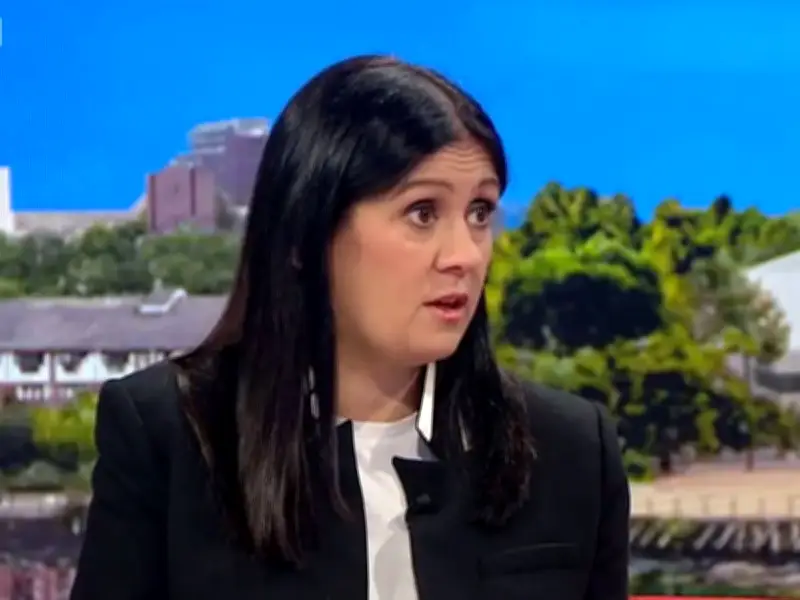
Culture Secretary Lisa Nandy has said the BBC TV licence fee is not finished, but the government is looking at a number of options through the charter to put the BBC on a sustainable financial footing. There are currently 23.3 million TV licences in force across the UK, a year-on-year fall of 539,000 active licences.
Director general calls licence a 'busted flush'
The BBC Director General has expressed uncertainty about the licence's future, describing it as a 'busted flush'. With the growth of subscription streaming platforms and the likelihood of significantly fewer younger viewers watching 'live' television, several proposals have been put forward. The Social Market Foundation has proposed replacing the existing £180-a-year licence fee with an £11 monthly broadband levy, which would amount to about £132 annually — cheaper for current licence holders but would compel non-viewers and households with internet connectivity to pay.
Speaking on BBC News, Ms Nandy was asked: "Is the license fee finished?" She responded: "No, I don't think the license fee is finished, but we are looking at a number of options through the charter. It is our firm intention to put the BBC on a sustainable financial footing and it hasn't been for over a decade."
Government rules out direct taxation
When reminded that the director general described it as a busted flush, she said: "Well, the director general is in a difficult position and I have real sympathy with him. He came into an organisation that has had to deal with a decade of falling revenues, partly because of changing viewing habits, fewer people paying the licence fee, but also because of successive government decisions, whether it's to freeze the licence fee or to load additional responsibilities onto the BBC."
She added: "And I think he's right to say that you cannot expect the BBC to be able to do everything on a limited budget. However, there are certain things about the BBC that are absolutely essential to the life of this country. Whether it's regional programming, children's programming, or news content, the BBC is one of the most trusted outlets in the world. And for us as a government, whilst we will work with the BBC to put it on a firm financial footing through this charter, those services for us are non-negotiable, they're provided to people in this country as of right. Uh and we're working with the BBC leadership on that basis."
Ms Nandy was questioned about proposals, including whether individuals who claim they don't use the BBC will be informed they must still pay. She was also asked whether the government is looking at funding the BBC by attaching it to people's internet broadband subscription. She said: "We're looking at a number of options. The only thing we've ruled out is direct taxation, partly because of the cost-of-living pressures, but mostly because we are very concerned to safeguard the BBC's independence. You rightly challenge me and scrutinise other government ministers and me on this program, and we think direct taxation would interfere with that."
Presenter Roger Johnson asked: "Will the internet companies accept you saying to Virgin Media or Sky, you're going to have to put an extra 11 on your monthly subscription to pay for something that in Sky's case is a competitive." Ms Nandy replied: "Well, look, that's not an option that we've floated in the media. That's something that I think the Social Market Foundation has recommended. We're looking at a number of options. The minute that I start ruling one out, people will will suspect that there's a master plan for others. The truth is, if it were easy to do this in a cost-of-living crisis, another government would have done it earlier. But we are determined to put the BBC on a sustainable financial footing in the fairest way we can."
Job cuts and union warning
The National Union of Journalists (NUJ) warned earlier this week that the BBC risks becoming trapped in an "inescapable doom spiral" should it press ahead with further job cuts. In June, the broadcaster revealed plans to eliminate up to 2,000 positions as part of efforts to deliver £500 million in savings across two years. Among the reductions, 550 posts will be from BBC News and television and radio-linked positions, with director-general Matt Brittin stating he anticipated this would deliver £160 million in cost savings.
This week, it has come to light that the corporation will axe 41 positions within its sports division, which it claims is about "reducing duplication" and "simplifying operations". Laura Davison, NUJ general secretary, said: "The BBC's ongoing campaign of cuts is devastating and demoralising for our members and severely undermines the broadcaster's ability to serve audiences across the UK. The latest wave of cuts piles on the misery already being felt."
She added: "Our members deserve better. Previous rounds of cuts have resulted in unmanageable workloads, low morale, loss of staff, and fewer opportunities for freelancers or career progression. Another round of cuts will add to that burden and stress. Audiences deserve better too. Millions of people across the UK now live in news deserts. We have already had major cuts to Local BBC Radio in recent years. Instead of cutting staffing and services to the bone, management should be focusing on securing positive reforms that guarantee a bright future for our public broadcaster."