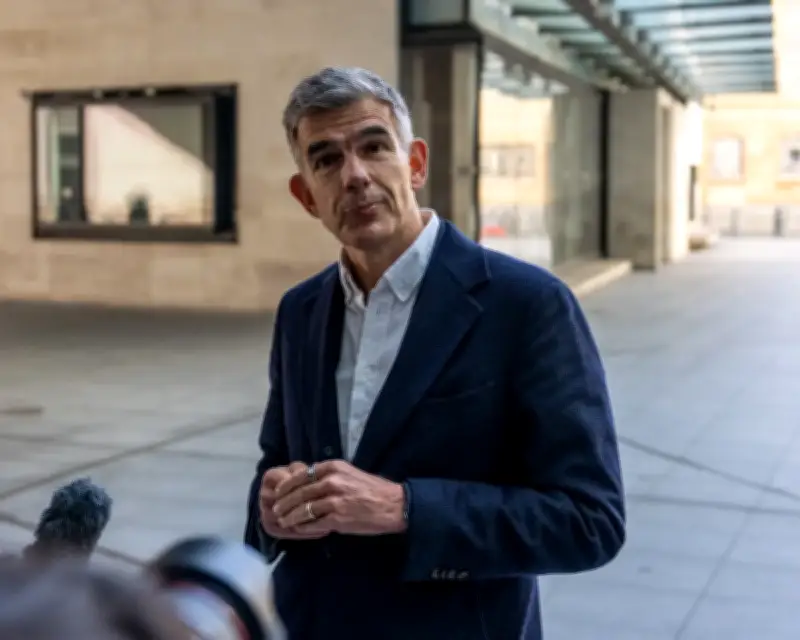
The BBC's Director-General, Tim Davie, has proposed the creation of a public service algorithm, designed to promote trustworthy and diverse content online, in contrast to the engagement-driven algorithms used by commercial platforms like YouTube and TikTok.
Speaking at the Royal Television Society's Cambridge Convention, Davie argued that the current algorithm-driven media landscape is polarising society and undermining democratic debate. He suggested that a publicly owned and transparent algorithm could be developed to recommend content based on public value rather than simply maximising watch time.
A vision for a public service algorithm
Davie outlined a vision where the BBC could host user-generated content, similar to YouTube, but curated by a public service algorithm. This algorithm would prioritise accuracy, impartiality, and diversity of opinion, potentially offering an alternative to the often divisive content promoted by commercial social media platforms.

The proposal comes amid growing concern about the spread of misinformation and the role of social media algorithms in amplifying extreme views. Davie emphasised that the BBC, as a public service broadcaster, has a responsibility to explore ways to support a healthier online information ecosystem.
Potential implications and next steps
While the proposal is at an early stage, it signals a significant shift in thinking about how public service broadcasting could adapt to the digital age. Davie suggested that such an algorithm could be made available to other public service broadcasters and potentially to the wider public.
No specific timeline or funding details were provided for the project. The BBC is expected to engage in further discussions with regulators, technology companies, and other stakeholders to explore the feasibility of the proposal.