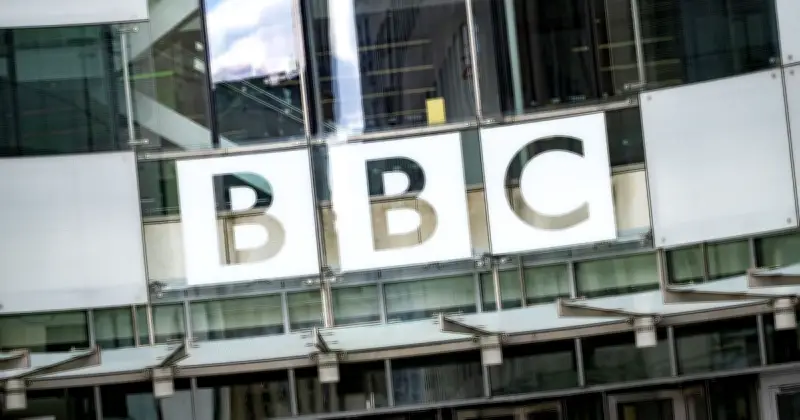
BBC director-general Matt Brittin has intimated there are huge changes ahead as he aims to "transform" the corporation, confessing this could be "painful for audiences".
The recently appointed head of the organisation hinted that he saw a move to fully on demand services for the broadcaster's live channels as he spoke to staff on Wednesday October 7 from the BBC Radio Theatre.
Move to on demand
"We have to make decisions about when the on-demand consumption of our content starts to go so far ahead of the broadcast consumption that we make choices about, well, when we do move fully to on demand, and that can be painful for audiences," he said.
He then revealed plans to make the iPlayer a competitor for major streaming platforms such as Netflix. "How do we make an iPlayer that's such a great destination that people say, 'I want to iPlayer and chill'," he quipped in a remark that reportedly drew laughs from a woman in attendance.
Fighting for prominence
He also insisted the broadcaster needs to secure its prominence in the media landscape, telling employees he wanted to ensure people could easily find the BBC's offering.
He said this included having an app in place when you buy a TV, as well as a link on screens in cars and a button on remote controls. Many smart TV remote controls already contain buttons which link directly to Netflix or Prime Video.
"We're fighting the battle for prominence in a new world of infinite choice, and it's really important that we secure that place in people's lives and in their hearts...to do all this, we're going to need to transform our organisation," he said.
Licence fee reform
He also assured the staff he wanted to "make sure every pound of license fee money, however much that is, works hard as it possibly can", describing it as the BBC's "duty" to do this.
His remarks came less than a fortnight after he suggested fees for the public service broadcaster would be less if everyone contributed, indicating a household levy - a model which has already been used in many other nations to finance public media - would ensure a level of fairness.
Speaking on Sunday With Laura Kuenssberg, he said: "There was a report just this week saying that if you move to something which every household pays, you can charge everyone less. Collections costs are lower, there's limited evasion, but we're living at a time of really difficult costs of living for everyone, and that's quite a big shift from where we are today."
When asked why everybody should pay the proposed levy despite not using it, Mr Brittin said: "94% of households every month are consuming BBC content. That's incredible, but only 80% are paying."
He clarified that this specific model of a universal household bill is not what he is advocating for, but rather one of the ideas that is being discussed. He said the BBC is "advocating" reform that enables services to be offered "universally", while reflecting current viewing habits.