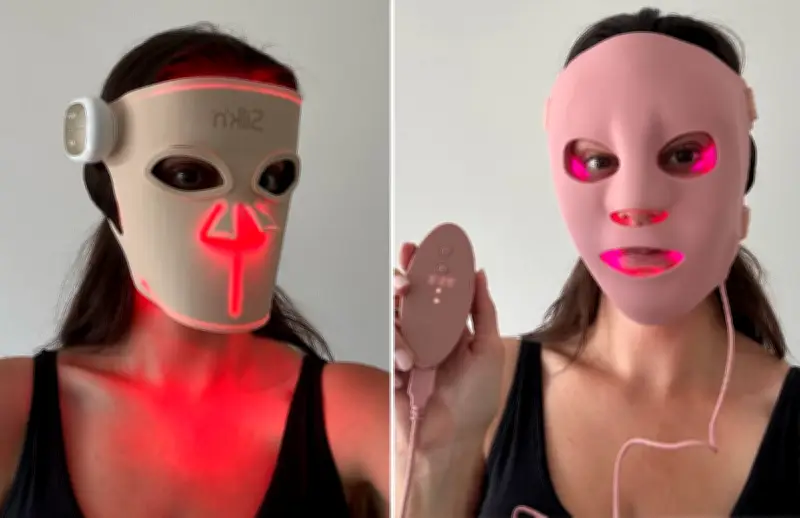
LED face masks have evolved from exclusive clinic treatments to must-have skincare investments, with prices ranging from under £300 to over £1,400. After consistently testing eight top devices over several weeks, a beauty expert found that the best choice depends on your skin goals, comfort preferences, and budget. The Shark Cryoglow emerges as the best overall for its unique cooling under-eye feature and versatile light modes, while the Silk'n LED Face Mask Pro offers an excellent budget-friendly entry point.
How LED Face Masks Work and What to Consider
LED light therapy uses specific wavelengths to penetrate the skin at different depths, targeting concerns like blemishes, dullness, fine lines, and overall skin quality, according to Dr Mo Hamed, owner of Dr Motox Clinic. Red LED light can reduce redness and inflammation immediately, and with continued use, stimulates collagen production for smoother, stronger skin. Blue LED light targets acne-causing bacteria, encouraging them to self-implode, treating acne and preventing breakouts, explains Dr Dennis Gross, board-certified dermatologist and co-founder of Dr Dennis Gross Skincare.
Modern LED masks now include features like under-eye cooling and multiple light modes, so knowing your skin goals helps narrow down options. The expert tested each mask for comfort, ease of use, fit into routine, and technology, tracking immediate and long-term changes in redness, fine lines, blemishes, and radiance.
Top LED Face Masks Reviewed
Shark Cryoglow Under-Eye and LED Repair Mask – Best Overall
Rated 5/5, this mask stands out with its unique cooling under-eye pads alongside red, blue, and near-infrared LED light. After consistent use, the tester's skin looked brighter and calmer, though results were not dramatically transformative. It is comfortable but bulkier than most, and not ideal for travel. Price: £299.99. Light modes: Red (630nm), blue (415nm), near infrared (830nm). 480 LEDs. Wireless, 8-minute treatment, 9-30 uses per charge.
Silk'n LED Face Mask Pro – Best Budget Buy
Rated 5/5, this flexible mask offers seven modes targeting ageing and blemishes with red, blue, near-infrared, and other wavelengths. It provides full face and chin coverage, comes with a travel pouch, and is hands-free. Price: £259. Light modes: Amber (605nm), red (633nm), near infrared (830nm), deep near infrared (1072nm), blue (463nm). 120 LEDs. Wireless, 10-15 minute treatment, 12-13 uses per charge.
MZ Skin LightMAX Supercharged LED 2.0 Mask – Best for Comfort
Rated 4/5, this premium rigid mask has two straightforward treatment modes for anti-ageing and anti-blemish. The tester noticed brighter, clearer skin after each use, but the controller display is fuzzy and the price is high at £750. Light modes: Anti-ageing (red 633nm, near infrared 830nm) and anti-blemish (blue 415nm, red 633nm). 84 LEDs. Wireless, 10-minute treatment, 13-14 uses per charge.
Dr Dennis Gross DRx SpectraLite FaceWare Pro – Best for Acne
Rated 4/5, this mask combines blue and red LED light to target blemish-causing bacteria and support smoother skin. The tester found it brilliant for hormonal breakouts, reducing redness and fading post-inflammatory erythema faster. The fast three-minute treatment is a key advantage, but the rubber strap catches hair. Price: £465. Light modes: Red (630nm), blue (415nm). 162 LEDs. Wireless, 3-minute treatment, 10 uses per charge.
CurrentBody Skin LED Face Mask Series 2 – Best for Sun Damage
Rated 4/5, clinically proven to reduce wrinkles by 35% in four weeks, this flexible silicone mask sits closely to the face for even light delivery. It uses red and near-infrared light, no blue light, so not for acne. The tester found it comfortable and effective for brightness and smoothness, but the strap slips. Price: £399.99. Light modes: Red (633nm), near infrared (830nm), deep near infrared (1072nm). 236 LEDs. Wireless, 10-minute treatment, 10 uses per charge.
Qure Skincare Q-Rejuvalight Pro Facewear – Best for Multiple Wavelengths
Rated 4/5, this rigid mask uses five wavelengths (blue, amber, red, deep red, infrared) for customisable treatments via an app. It calmed hormonal breakouts and reduced inflammation, but the rigid design is less comfortable and doesn't cover the entire face. Price: £329.99. Light modes: Blue (415nm), amber (605nm), red (630nm), deep red (660nm), infrared (880nm). 80 LEDs. Wireless, 3-minute treatment, 10 uses per charge.
TheraBody TheraFace Mask Glo – Best for Relaxation
Rated 4/5, this mask features a built-in vibrating head strap that massages the scalp during treatment, making each 12-minute session feel like a salon experience. The tester found it reduced puffiness and left skin sculpted, tighter, and brighter. However, there is no mouth hole, which may feel claustrophobic. Price: £299. Light modes: Red (633nm), red+infrared (633+830nm), blue (415nm). 504 LEDs. Wireless, 12-minute treatment, 10 uses per charge.
Déesse Pro LED Phototherapy Mask – Premium Choice
Rated 3/5, this is the most expensive mask at £1,440, with 770 LEDs across four wavelengths and six treatment modes. The tester saw significant improvement in crow's feet and frown lines, with plumper, smoother skin. It is lightweight and comfortable but wired to a controller, limiting movement. Light modes: Red (630nm), green (520nm), blue (415nm), near infrared (830nm). Wireless: No, 10-20 minute treatment, 10-20 uses per charge.
Expert Answers on LED Face Masks
Dr Ayah, aesthetic practitioner and CurrentBody's resident LED expert, confirms that LED light therapy suits most skin types and can be safely recommended. Dr Dennis Gross adds that power is crucial for results, and a quick daily treatment can fit into any lifestyle.
LED face masks are safe when used as directed, with no ultraviolet radiation, says Shantel Noble, Skin & Injectables Aesthetic Nurse at INJECTUAL. Always cover your eyes during use, she advises. Dr Gross stresses using clinically tested devices and following instructions.
For best results, use the mask on clean, dry skin without any topicals that might block light penetration. Consistency is key, with daily use or three to four times per week recommended. Most companies advise against use during pregnancy due to lack of clinical testing on pregnant individuals.