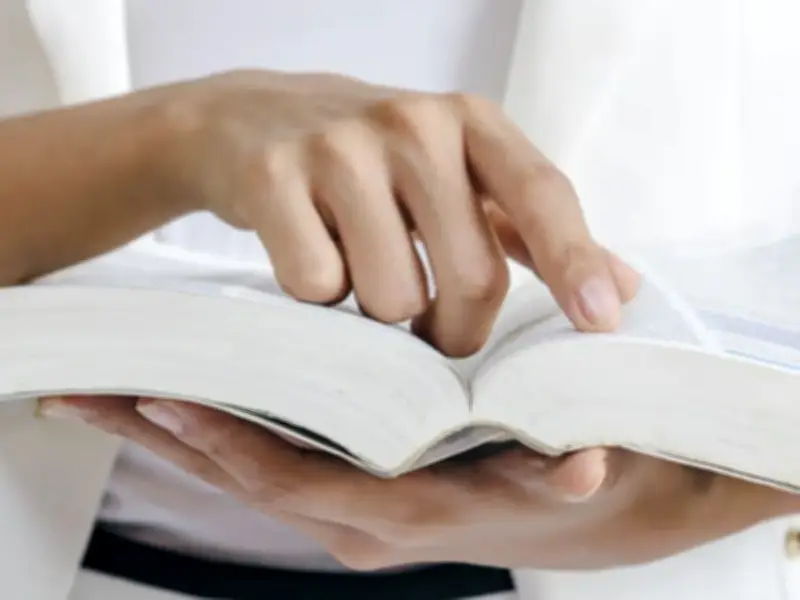
Cambridge Dictionary has named “human” its Word of the Year for 2026, reflecting how the rise of artificial intelligence is changing the way people view themselves.
The dictionary defines the word as covering the emotions, flaws and characteristics that distinguish people from gods, animals and machines. The growing use of terms such as “human-made” shows how people are increasingly separating human work from content produced by AI.
AI prompts reflection on human identity
The growing influence of AI has raised questions about what it means to be human. Colin McIntosh of Cambridge Dictionary said: “AI is changing how we talk about being human. Fears about what humans may lose when we outsource our thinking has made us reconsider the extent to which we rely on AI.”
Commenting on the choice, Microsoft co-founder Bill Gates said: “AI is making us think harder about what it means to be human. It could help us cure diseases, improve education and give people more time to spend on the things that matter most.” He also warned that people must make careful choices about how AI fits into their lives, adding: “The measure of AI’s success should be how much it improves human lives.”
Other contenders and new dictionary entries
Other words considered for the honour included “agent”, a noun describing an AI system that can operate in a complicated way without human control, as well as “wholesome” and “analogue”.
New additions to the dictionary include social media terms such as “aura farming”, meaning trying to appear attractive or impressive, and “looksmaxxing”, the pursuit of improving physical appearance. The dictionary is also considering including “FOBO”, meaning fear of becoming obsolete, as concerns grow about AI replacing jobs.