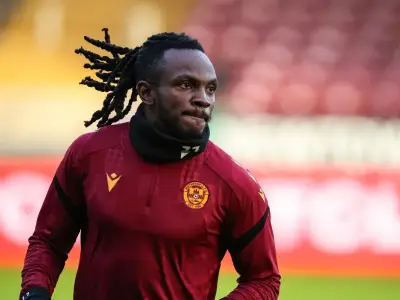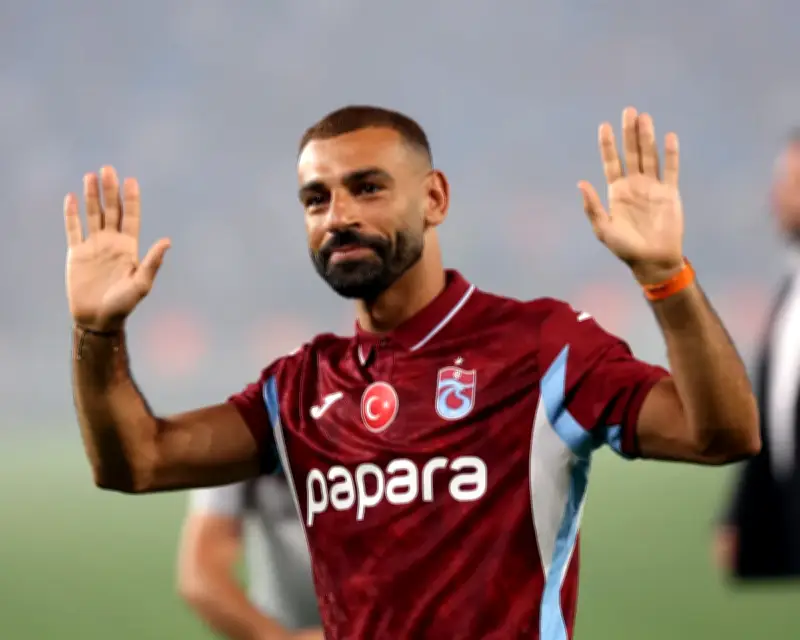
Mohamed Salah now plays in Turkey, joining Trabzonspor in the Turkish Super Lig this summer after a storied career at Liverpool. He is not alone: Romelu Lukaku, Leandro Trossard, Leroy Sané, Nathan Aké, Mason Greenwood, N'Golo Kanté, and Dusan Vlahovic have also made the move. Bruno Fernandes and Gabriel Martinelli may follow, depending on negotiations and other factors.
How the Super Lig became a new moneyed destination
Victor Osimhen, one of the world's highest-rated strikers, was already at Galatasaray, where he has scored 43 league goals in two seasons, plus this campaign's opener. Salah, the Super Lig's signature signing, will reportedly earn about as much at Trabzonspor as he did with Liverpool last season, where he was one of the Premier League's highest earners, due to Turkey's net salary structure.
As the Saudi Pro League scales back its ambitions after flooding the game with billions in 2023 to lure Cristiano Ronaldo and Neymar, the Turkish league has stepped into the void. A flurry of investment by its four biggest clubs—Galatasaray, Fenerbahce, Besiktas, and Trabzonspor—is remaking it into the new moneyed destination for ageing, underplayed, overpaid, and overvalued players. Or perhaps they have made savvy signings; time will tell.

Currency collapse fuels spending spree
Unlike previous spending sprees by leagues seeking a more prominent spot in the transfer market, the Super Lig has not benefited from massive investment from a soft-power nation-building project or oligarchs. Instead, it appears linked to the collapse of the Turkish lira relative to the euro, which went from trading at €0.10 half a decade ago to about €0.018 today. While clubs pay players in lira, revenue from European competition and foreign broadcasts is paid in euros. The big four Turkish clubs can now afford players they previously could not because they can write down more earnings on their balance sheets.
Turkey joins a long line of unconventional homes for some of the game's biggest names. Before Saudi Arabia, it was China, where President Xi Jinping's government aimed to leverage the sport as "a must to build China into a sports powerhouse as part of the Chinese dream." Eventually, Chinese soccer awoke from that dream with a start. Before that, the Russian Premier League saw sanctioned oil billionaire Suleyman Kerimov buy Anzhi Makhachkala and plow in hundreds of millions to lure top players, sparking an arms race that broke when Kerimov backed off.
A bailout fund for Europe's powerhouses
The Brazilian league has had flurries of pricey signings, mostly focused on bringing home the country's wayward sons. In January, Flamengo brought Lucas Paquetá back from West Ham for $50m, a Brazilian record, dwarfing the $32m Cruzeiro paid Zenit for Gerson 20 days earlier. During its Beckham Era, Major League Soccer paid above-market rates to lure Thierry Henry, Robbie Keane, and others. And before that, the Qatar Stars League drew Gabriel Batistuta, Pep Guardiola, Frank de Boer, Marcel Desailly, and others for a final payday.
Every one of these leagues moved on from this gambit before long, switching to some other strategy. Unlike most of these circuits, Turkey has a thriving and long-established football and fan culture, making it feel different this time. Turkish clubs have earned credibility as homes of star players, and those players will likely still appear in the Champions League (Galatasaray qualified automatically; Fenerbahce are in the qualifiers) and Europa League (Trabzonspor and Besiktas are in the qualifying rounds).
All the same, Turkish clubs now act as a kind of bailout fund for Europe's storied leagues, where clubs can offload distressed assets. These nouveaux riche leagues provide a hefty cash injection to the old-money center of the European game. In the end, nothing much comes of this play for the newly ambitious; they move on eventually. The whole thing turns out to be counterproductive, as they wind up bankrolling the legacy competitions they hope to challenge, cementing the chasm between them. They learn that lesson before long, and the money dries up, but there is always some fresh source of dumb money out there.