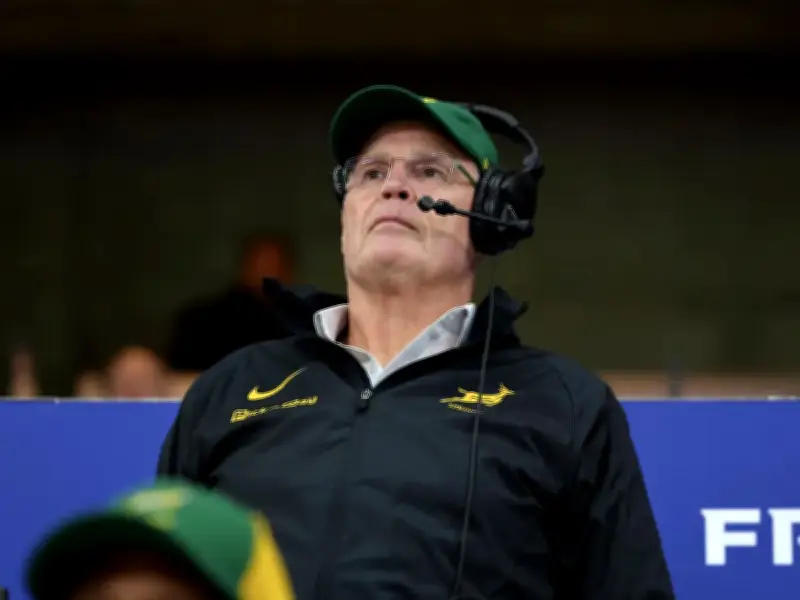
The Springboks have requested a full misconduct hearing for Rassie Erasmus after World Rugby suspended the South Africa head coach for six matches. The ban followed comments Erasmus made at a press conference in Dublin on Monday, where he questioned officiating and disciplinary decisions related to the world champions' defeat to France last week and asked whether referees are "match-fixing".
An independent panel reviewed his remarks and imposed the six-match suspension with immediate effect. The ban means Erasmus will miss the Nations Championship finals weekend in London later this month.
Context of the Comments
During the press conference in the Irish capital, Erasmus claimed officials had missed 17 knee-drop tackles on his players in the match against France. He suggested acts of foul play were not being picked up in what he called a "manipulation of the game", and added that he felt referees were showing more leniency to teams from the northern hemisphere.
South Africa have now requested a full hearing, saying it would give Erasmus the opportunity to add context to his comments.
SA Rugby Statement
In a statement, SA Rugby said: "SA Rugby is requesting a full misconduct hearing for Springbok coach Rassie Erasmus following his sanctioning by an independent World Rugby panel for comments made in a press conference in Dublin on Monday."
The statement continued: "A SA Rugby spokesperson said that the organisation respected the process but had requested an opportunity for its coach to contextualise his comments and assure the panel that it was not his intention to allege that any match official had acted with ulterior motives.
"SA Rugby trusted that such a hearing could be expedited considering the seriousness of the charge, and will not make any further comment until the hearing could be completed."
World Rugby's Sanction Process
World Rugby's original statement explained that the sanction was imposed under the Match Official Abuse Sanction Process, introduced in July 2026 with support from national member unions, competitions, International Rugby Match Officials (IRMO) and the International Rugby Players' Association (IRPA). The process runs in parallel with Regulation 18 and provides a framework for addressing public criticism of match officials, particularly comments that may undermine the integrity of individuals or the sport, or fuel online abuse.
According to World Rugby, the panel applied the Match Official Abuse decision making matrix, an objective test assessing comments against a defined list of characteristics. Having considered the comments relating to the match TMO, the standing Match Official Abuse committee, chaired by senior officer Adam Casselden SC (Australia), determined that the threshold for serious misconduct had been met.
The panel found that the comments suggested match officials acted with bias or prejudice, or deliberately influenced the outcome of a match, and that a reasonable person would conclude the conduct constituted an unacceptable attack on the credibility and competence of the match officials. It determined the conduct amounted to disrespecting the authority of match officials by impugning their integrity, and found the comments attracted a six-match automatic suspension.
The suspension applies with immediate effect to international matches, and includes any match-day involvement such as coaching, direct or indirect contact with team management or players on match days, entering the stadium, coaches' box, playing enclosure or technical area, approaching or communicating with match officials on match day, engaging in any 'feedback' process with match officials, and engaging in media duties during the suspension.
World Rugby said respect is fundamental to rugby and match officials are central to the sport, adding that protecting their wellbeing and integrity is a responsibility the governing body and unions take seriously. It noted that robust, respectful debate is natural, but teams have access to established channels for raising officiating matters, and that challenging a decision is not the same as questioning an official's integrity.
Erasmus is entitled to have the matter referred to a full misconduct hearing.