England's Rugby Future: Blueprint Emerges After Worst Six Nations Campaign
A superb performance in Paris against France has given England hope for a brighter rugby future, but serious questions remain about why it took so long for the promised reaction to materialise. Despite showing genuine promise in their final match, this campaign represents the worst Six Nations performance in England's recent history.
Chaotic Aftermath in Paris
In the early hours following their match against France, England found themselves trapped in the chaotic streets surrounding the Stade de France. The scene was a colourful cacophony of wailing sirens, honking horns and swirling impatience, with the team bus at the heart of the maelstrom. While it would be tempting to joke that England ended the tournament going nowhere, the reality is more complex.
The simplest facts tell a stark story: England finished the Six Nations with just one victory and four defeats, marking their worst performance in the tournament's history. Never before had an English team ended the competition with such a poor record.

Internal Unity Amidst External Criticism
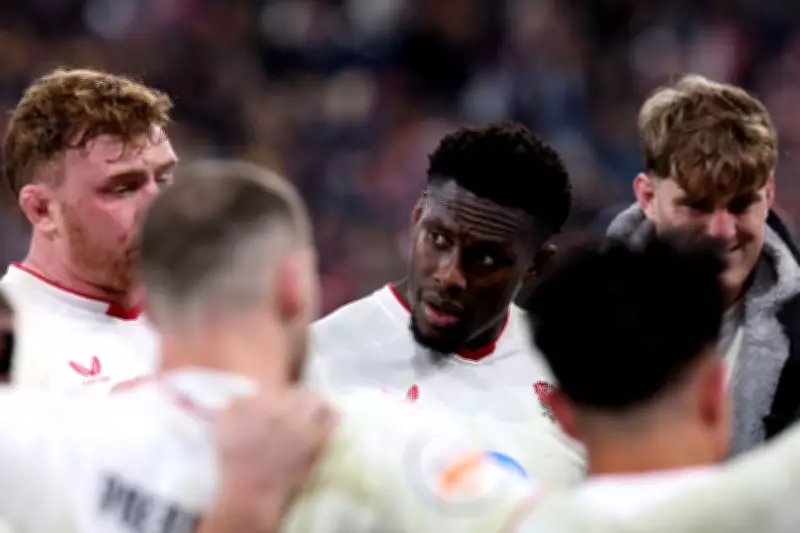
Vice-captain Jamie George highlighted the team's internal unity despite their disappointing results. "It would have been so easy for us to splinter off," George admitted. "I've been part of teams that have, with whispers in corridors and doubts about game plans and personnel. Honestly, there has been none of it. We've been clear, confident in our people, and stayed so tight."
This solidarity provides some solace, particularly after questions were raised about England's togetherness following their failure to respond to setbacks earlier in the campaign. The Paris performance served as a necessary riposte to those doubts.
Frustration Over Delayed Reaction
Yet within that unity comes significant frustration. England still lost in Paris, and the question remains: why did this level of performance only emerge after the tournament was effectively lost? For three weeks, head coach Steve Borthwick and senior players had promised a reaction, yet they only delivered when the pressure had somewhat eased.
Scrum-half Jack van Poortvliet articulated this frustration: "We know in this tournament that if you don't perform, you get punished. The frustration is that we have performances like we had today in us. For whatever reason, particularly against Scotland and Ireland, we couldn't deliver that. Today will give us confidence, but also frustration that we know we've got that in us. Why can't we do that more often?"
RFU Review and Future Planning
The Rugby Football Union's review process is well established, and there will be no knee-jerk reactions despite this campaign of unwelcome firsts. The methodical Borthwick will have the opportunity to explain what went wrong and propose remedies to fix the issues.
He appears to have strong backing from his squad, with George describing him as the "perfect person" to turn England into World Cup contenders. However, the RFU hierarchy must also hold the head coach and players accountable for a campaign where basic skills looked broken for extended periods.
Questions have been raised about conditioning and Test readiness, adding to the concerns that must be addressed in the coming months.
Rebuilding Fan Relationships
A crucial challenge facing English rugby is repairing relationships with disillusioned fans. The RFU has thousands of tickets to sell for autumn matches at Twickenham, plus the Nations Championship finals at the Allianz Stadium. Six editions without a Six Nations title is unacceptable for a team with England's resources.
When the RFU set out a new strategic plan in January, it emphasised not just results but style: "The aim is not only to consistently win senior international competitions, but to do so in a way that inspires future generations and supports a thriving domestic game." In this Six Nations, England achieved neither objective.
Positive Selection Decisions
Despite the disappointing results, some selection decisions showed promise. The installation of Ollie Chessum on the blindside added maul muscularity, lineout variety and breakdown graft. For where the modern game is heading, this back row combination feels like a configuration worth persisting with.

Attack coach Lee Blackett deserves more time to work on making consistent improvements, particularly given England returned an average of just 4.3 points from their 10 entries into the France 22.
Future Talent Pipeline
England's talent pool remains strong despite the disappointing results. Immanuel Feyi-Waboso, Fin Baxter and George Martin would all improve the matchday squad, while George Furbank could add value if he regains full sharpness.
Intriguingly, both new and familiar faces will become available later in the year:
- Joe Marchant returns from Top 14 rugby and could press for the outside centre position
- Former All Black Hoskins Sotutu could add a new dimension at number eight once he arrives at Newcastle
- Benhard Janse van Rensburg will qualify on residency ahead of the autumn internationals
There may even be merit in giving Maro Itoje a summer off to rest and recharge properly.
Summer Challenges Ahead
The fight shown in France has probably bought Borthwick time to implement a new strategy, with three more matches to prove himself before serious questions are asked. Internal optimism exists about the summer ahead, despite facing world champions South Africa first in Johannesburg, followed by meetings with Fiji and Argentina in the inaugural Nations Championship.
It would somehow feel characteristic of this England team to travel to Ellis Park and defeat the Springboks, and such a result may be necessary to restore genuine faith in what they could become.
"Look, South Africa haven't played for 10 months," George explained. "It's very difficult for us to comment on where they're at, but they are world-class. They're the best team in the world. Playing them in Johannesburg is difficult, but what an amazing opportunity we've got with a great group of players. I can't wait. I wish it was next week."
The blueprint for England's future may have emerged in Paris, but significant work remains to transform occasional promise into consistent performance. The coming months will reveal whether lessons have truly been learned from this historically disappointing campaign.