Ukrainian Skeleton Star Disqualified Over War Tribute Helmet at Winter Olympics
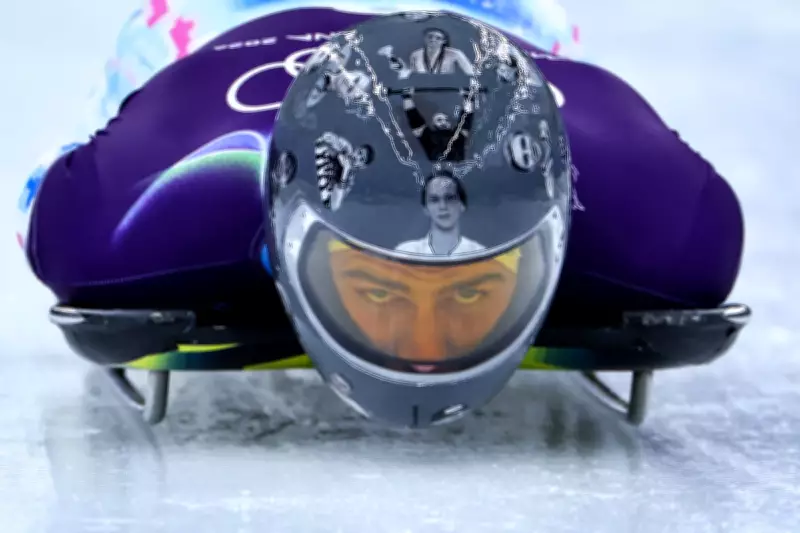
Ukrainian skeleton racer Vladyslav Heraskevych has been disqualified from the Milano Cortina 2026 Winter Olympics after defiantly refusing to remove a helmet featuring images of athletes killed during the ongoing Russian war in Ukraine. The International Olympic Committee (IOC) enforced its rules after a dramatic standoff, withdrawing his accreditation just hours before competition was due to begin.
The Defiant Stand Against Olympic Rules
The 27-year-old athlete had been warned that his custom helmet contravened Rule 50.2 of the Olympic Charter, which prohibits political demonstrations within Olympic venues. Despite last-minute pleas from IOC officials, including President Kirsty Coventry, Heraskevych remained steadfast in his position.
"I will not betray these athletes," Heraskevych declared. "These athletes sacrificed their lives, and because of this sacrifice, I am able to be here. An Olympic medal would be huge - since my childhood, it's my big dream. But in this time of full-scale war, some things are really more important than medals."

The Controversial Helmet and Its Significance
The hand-painted helmet, created by an artist in Kyiv, features images of Ukrainian athletes who have died in the conflict, including teenage weightlifter Alina Peregudova, boxer Pavlo Ishchenko, and ice hockey player Oleksiy Loginov. Remarkably, the helmet had passed technical inspection earlier in the week, and Heraskevych even set the fastest time in Wednesday's training session while wearing it.
The Ukrainian skeleton star revealed he has family members currently fighting on the front lines and previously worked for a charity delivering supplies when Russia first invaded. His stance comes as Ukrainian President Volodymyr Zelensky recently stated that 55,000 Ukrainian soldiers have died since the conflict began nearly four years ago.
Olympic Committee's Position and Failed Compromises
The IOC offered several compromises, including allowing Heraskevych to display the helmet before and after his runs or wear a black armband instead. IOC spokesperson Mark Adams explained: "There are 130 conflicts in the world, and we can't have them all featured - however terrible - in the field of play during competition."
However, Heraskevych rejected these suggestions, arguing that the scale of the Ukrainian conflict distinguishes it from other global conflicts. "No other conflict is close to the conflict that we have now in Ukraine," he countered. "To say it in such a casual manner is very rude towards Ukrainians."
The Final Decision and Its Implications
In a statement, the IOC expressed regret but maintained its position: "The essence of this case is not about the message, it is about where he wanted to express it." The committee emphasized it had been "very keen" for Heraskevych to compete but could not allow the violation of its charter.
The disqualification means Heraskevych, considered a contender for gold, will miss the skeleton competition that begins Thursday morning with the first two runs, followed by finals on Friday night. Team GB's Matt Weston now enters as the favorite for the gold medal.
Heraskevych concluded: "It was never the goal to make this scandal with the IOC. I want to be part of a friendly IOC family, I want to be part of the Olympic movement. If the IOC wants to blame someone, they should blame themselves in the first place."