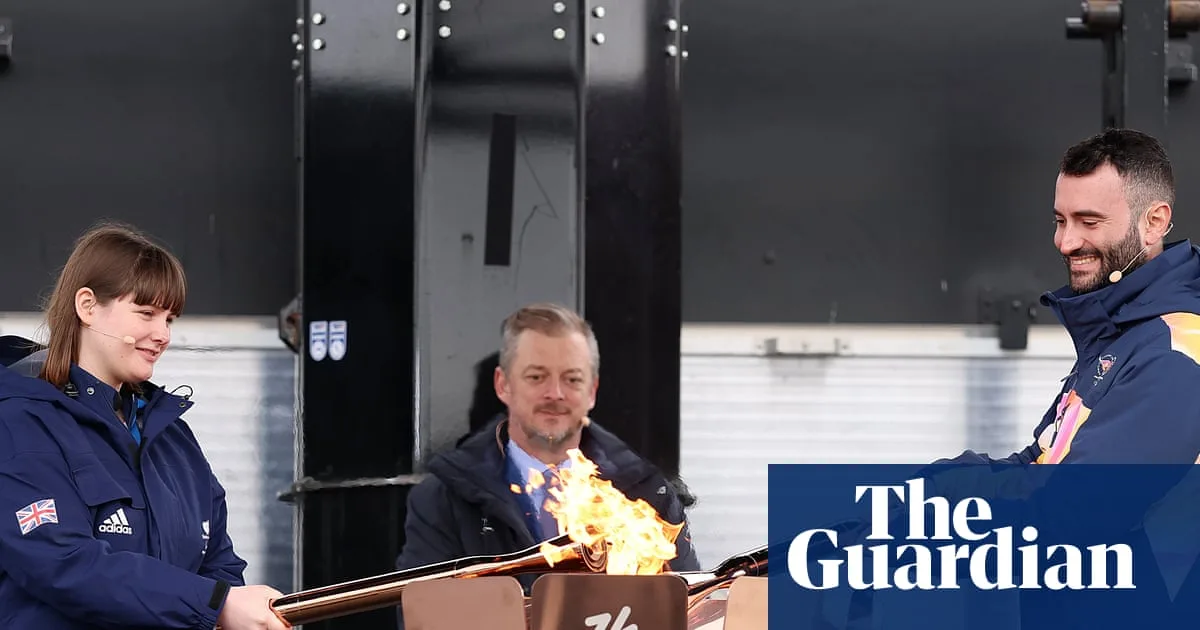
The Winter Paralympics begin in Milan-Cortina this week amid growing diplomatic tension over the decision to allow Russian and Belarusian athletes to compete. The Paralympic flame has arrived in the Dolomites after departing from Stoke Mandeville, with festivals planned in Bolzano and Trento to mark the 50th anniversary of the first Winter Games. But the celebratory mood has been overshadowed by threats of a boycott from several European nations.
Last week, the International Paralympic Committee (IPC) issued invitations to ten Russian and Belarusian athletes, prompting a strong backlash. Ukrainian President Volodymyr Zelenskyy described the decision as "dirty" and "not respectable", while Italy's foreign minister, Antonio Tajani, called on the IPC to reverse its action. The UK's culture secretary, Lisa Nandy, said it was "completely the wrong decision", and the European commissioner for sport, Glenn Micallef, has announced he will boycott the opening ceremony in protest.
Ukraine will send no athletes or officials to the Games, and the Netherlands, Estonia, Lithuania, Poland and Finland are also expected to join a boycott of Friday's opening ceremony in Verona. Other countries, including Great Britain, have said their athletes will stay away from the ceremony, citing scheduling difficulties as alpine skiing events begin early the following morning, some 150 miles away in Cortina. ParalympicsGB has stressed it has never boycotted a Games and does not intend to.
The controversy stems from a change in IPC policy. A ban imposed in 2022 was amended a year later to allow individuals to compete as neutral athletes at the 2024 Paris Games. Last year, IPC member countries voted to end the ban altogether, a decision that was challenged by some Paralympic bodies but ultimately upheld after a Russian appeal to the Court of Arbitration for Sport. The six invitations sent last week are believed to include three-time Paralympic champion Alexey Bugaev and cross-country skiers Ivan Golubkov and Anastasiia Bagiian.
IPC president Andrew Parsons has spent the week urging unity, saying he hopes the ceremony will not be politicised and that there are "different ways and spaces to send messages". However, he admitted he was "deeply disappointed" by the prospect of a boycott, as the IPC seeks to avoid a fractious fortnight that could overshadow the sporting action.