Slalom Heartbreak and a Champion's Farewell at Winter Olympics
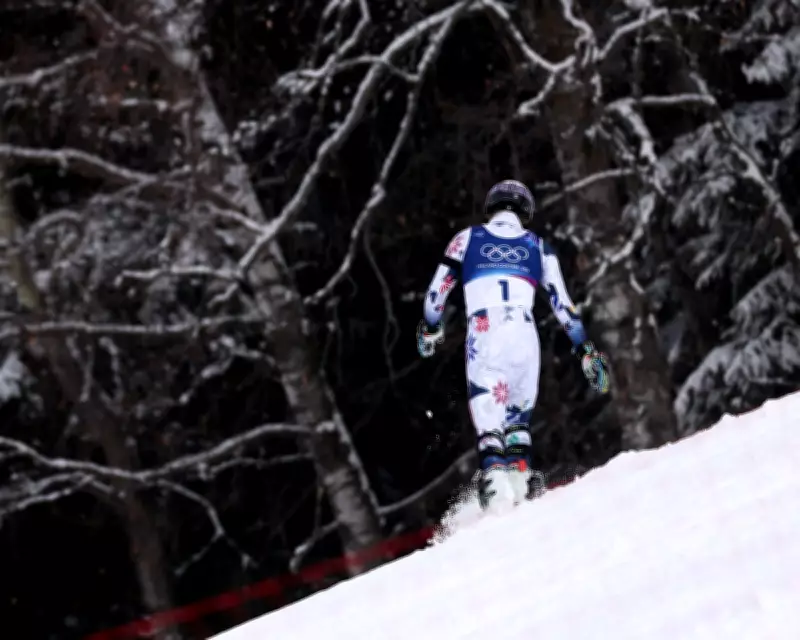
In a dramatic turn of events at the Winter Olympics, Norwegian skier Atle Lie McGrath saw his gold medal hopes vanish in an instant when he straddled a gate during the final run of the men's slalom. The devastating moment prompted McGrath to throw his poles in frustration before trudging across the slope into the nearby woods, where television cameras captured him lying on his back with his hands occasionally covering his face.
Meillard Claims Historic Victory for Switzerland
Loïc Meillard of Switzerland seized the opportunity, becoming his country's first men's Olympic slalom champion since 1948 with a combined time of 1 minute 53.61 seconds. He narrowly edged out Austria's Fabio Gstrein by 0.35 seconds, while Norway's Henrik Kristoffersen secured the bronze medal. "Atle Lie would have deserved it as well, he was the best skier this season, but that's part of slalom, that's part of sport," Meillard remarked, acknowledging McGrath's season-long dominance.
Ryding's Unlikely Journey Comes to an End
Meanwhile, British eyes were on Dave "Rocket" Ryding as he competed in his fifth and final Olympic appearance. The 39-year-old finished 17th in the men's slalom in Bormio, a result that fell short of the swansong he had envisioned. "I said I would ski race until my legs fall off and I think they pretty much have," Ryding quipped, reflecting on his retirement from Olympic competition.

Ryding leaves behind a remarkable legacy as Britain's greatest skier, having defied the odds with a journey that began on a 50-meter dry-ski slope in Pendle, Lancashire, where he would dodge sheep during training sessions. "I did it a totally different way and you probably say it was a one in a million shot," he said. "But I proved that you can do it." His historic World Cup victory in Kitzbuhel four years ago remains a standout achievement in British skiing.
Overcoming Challenges and Looking Ahead
Ryding's path was far from conventional. The son of a market trader and a hairdresser, he didn't ski on snow until he was 12 years old, and his family's first skiing holiday was contingent on his and his sister's progress. Even his participation in this Olympics was uncertain after UK Sport initially cut skiing funding in 2022. Although funding was partially restored, Ryding chose to allocate his £80,000 annual support to help teammates like Billy Major, who finished 16th, travel to events.
As he steps away from competition, Ryding is committed to nurturing the next generation of British skiers. "I've proven that you can win on the World Cup and I really think the next 15 years, with Billy and Laurie and then the generation, can do it," he stated. He plans to mentor young athletes while balancing family life, having acknowledged the sacrifices made by his wife and daughter during his career.
Looking forward, Ryding has set a new personal goal: improving his parkrun personal best of 16:54. "For sure, I don't think I'll get a dad bod too soon," he added with a smile.
A Sport of Heritage and Depth
The men's slalom event underscored the unpredictable nature of skiing, where heritage and intense competition play crucial roles. Unlike some Winter Olympic sports where technological advantages can predetermine outcomes, slalom remains a test of skill and nerve, as McGrath's heartbreaking crash and Meillard's triumph vividly demonstrated.
Ryding's career serves as a testament to perseverance in a sport often perceived as elitist. From humble beginnings to Olympic stages, his story inspires future athletes. "Five-time Olympian, World Cup winner - I really can't ask for much more," he reflected. "The icing on the cake would have been to pull something out today. I just didn't quite have it to be honest. But I will never look back thinking, 'did I stop too soon?' I gave it my all until the last gate."