Heraskevych Ban Exposes Deep Flaws in International Olympic Committee's Governance
The International Olympic Committee (IOC) has imposed a ban on Ukrainian athlete Yaroslava Heraskevych for engaging in political protests during international competitions, a decision that has drawn widespread criticism and highlighted systemic issues within the organization's governance. This move reflects poorly on the IOC's commitment to neutrality and athlete rights, raising questions about its ability to navigate the complex intersection of sports and politics.
Background and Context of the Ban
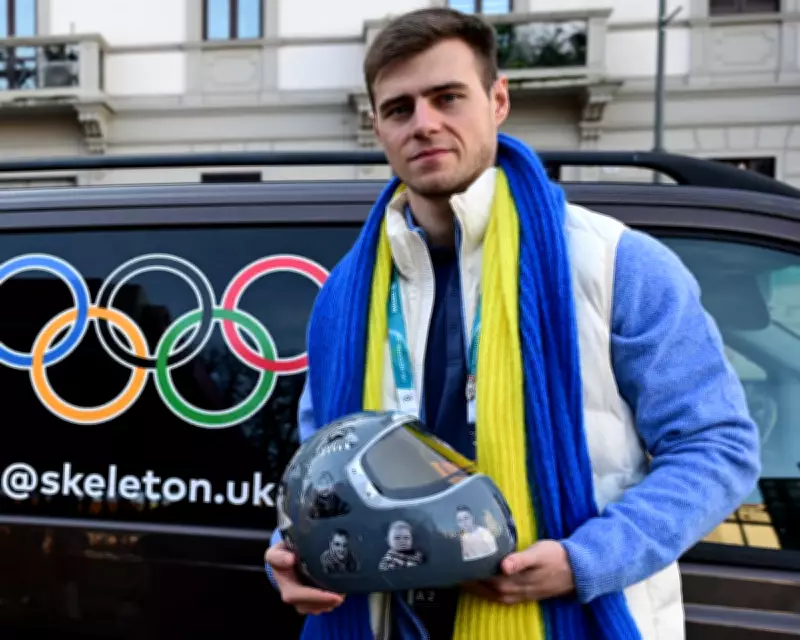
Yaroslava Heraskevych, a prominent figure in Ukrainian sports, was banned by the IOC following her participation in protests that were deemed political in nature. The ban stems from incidents where Heraskevych used her platform to advocate for causes related to her home country, actions that the IOC argues violate its strict rules against political demonstrations at sporting events. This decision has sparked a global debate, with many arguing that it undermines the principles of free expression and human rights that the Olympics purport to uphold.
Criticism and Global Reaction
The ban has been met with significant backlash from athletes, human rights organizations, and sports analysts worldwide. Critics contend that the IOC's stance is hypocritical, given its historical involvement in political matters and its selective enforcement of rules. For instance, other athletes have engaged in similar protests without facing such severe consequences, leading to accusations of bias and inconsistency. This controversy has damaged the IOC's reputation, with many viewing it as out of touch with modern values of inclusivity and justice.

Implications for Athlete Rights and Sports Governance
This incident underscores broader concerns about the IOC's governance and its impact on athlete rights. The ban on Heraskevych sets a dangerous precedent that could stifle legitimate forms of protest and advocacy in sports, potentially discouraging athletes from speaking out on important social issues. Moreover, it highlights the need for reform within the IOC to ensure greater transparency, fairness, and alignment with international human rights standards. As sports continue to evolve, the IOC must address these challenges to maintain its credibility and relevance on the global stage.
Future Outlook and Calls for Change
In response to the controversy, there have been growing calls for the IOC to review its policies on political expression and adopt a more nuanced approach. Stakeholders are urging the organization to engage in dialogue with athletes and human rights experts to develop guidelines that balance neutrality with the right to free speech. The Heraskevych ban serves as a wake-up call, prompting discussions about how sports bodies can better support athletes while upholding their core missions. Moving forward, the IOC's handling of such cases will be closely watched as a test of its commitment to reform and ethical leadership.