Max Verstappen Unleashes Fury Over F1's 2026 'Joke' Cars Following Shanghai Retirement
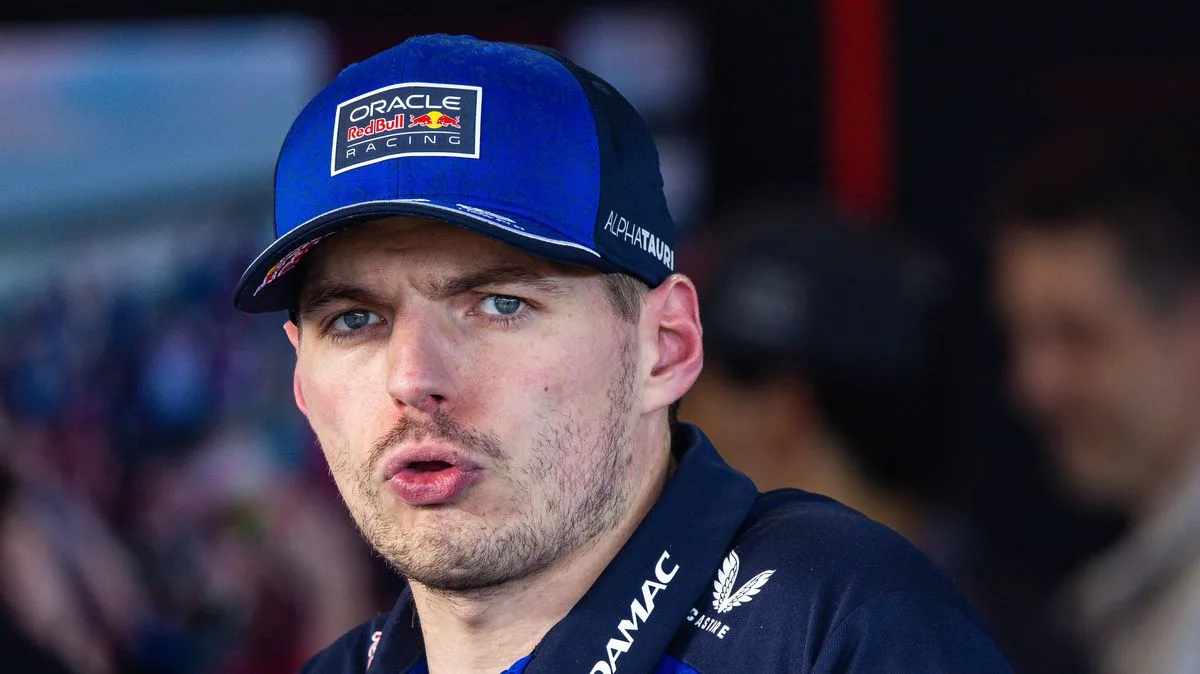
Max Verstappen has launched a blistering critique of Formula 1's 2026 regulatory framework, branding the new generation of cars a "joke" that threatens to fundamentally undermine the sport's integrity. The Red Bull driver's explosive comments came immediately after a disastrous Chinese Grand Prix weekend, where he was forced to retire with just ten laps remaining due to a critical mechanical failure.
Verstappen's Scathing Assessment of F1's Direction
The Dutch world champion did not mince words in his post-race assessment, warning Formula One Management (FOM) and the FIA that their current trajectory "will come and bite them back in the a**." Verstappen has emerged as perhaps the most vocal critic of the 2026 regulations, which introduce hybrid engines with unprecedented electrical energy dependence and replace DRS with an 'overtake mode' system.
"I think they understand where we are coming from as drivers, and I speak for most of the drivers," Verstappen stated emphatically. "Some will say it's great because they're winning races, which is fair enough. When you have an advantage, why would you give that up?"
However, Verstappen argued that the current emphasis on battery management and artificial overtaking mechanisms represents a departure from authentic racing. "I don't think it's what the real F1 fans like," he contended. "Maybe some fans like it, but they don't understand racing. It will eventually ruin the sport."
Disastrous Shanghai Weekend Culminates in Premature Retirement
Verstappen's frustrations were compounded by a thoroughly disappointing performance at the Shanghai International Circuit. After managing only a ninth-place finish in Saturday's Sprint race, the Red Bull driver struggled at the start of both events, losing multiple positions heading into the first corner and fighting an uphill battle throughout.
Despite recovering ground during Sunday's Grand Prix and appearing destined for a sixth-place finish, Verstappen received a radio instruction from race engineer Gianpiero Lambiase to return to the pits and retire the car. Red Bull has since revealed that the RB22 suffered a coolant failure within its energy recovery system (ERS), necessitating an immediate retirement to prevent catastrophic engine damage.
Technical Revolution Meets Driver Resistance
The 2026 regulations represent Formula 1's most significant technical overhaul in recent memory, with key changes including:
- Hybrid power units with dramatically increased electrical energy deployment
- Replacement of Drag Reduction System (DRS) with 'overtake mode' activation
- Greater emphasis on battery management and energy recovery strategies
- Revised aerodynamic packages designed to facilitate closer racing
While these changes have produced more overtaking maneuvers, critics like Verstappen argue they create artificial racing scenarios that diminish driver skill and car development. "It's not what we like," Verstappen asserted, suggesting most drivers share his concerns. "Hopefully we can get rid of this... It's political. Some people feel they have the advantage now, and, of course, they want to use that."
Broader Implications for Formula 1's Future
Verstappen's very public criticism highlights growing tensions between drivers, teams, and governing bodies regarding Formula 1's technological direction. The three-time world champion acknowledged the difficulty of achieving consensus, noting that "it's going to be very difficult for everyone to agree" on potential solutions.
"Of course, not everyone needs to agree," he conceded, "but most of the people have to agree to make changes." This retirement marks another challenging moment in what has been a difficult start to the 2026 season for Verstappen and Red Bull, raising questions about both the team's reliability and the sport's regulatory framework.
As Formula 1 continues its push toward greater sustainability and technological innovation, Verstappen's forceful intervention ensures that debates about racing purity versus technological advancement will remain at the forefront of the sport's development discussions throughout this pivotal season.