Lewis Hamilton has described Formula One's new 2026 regulations as 'ridiculously complex', as pre-season testing in Bahrain enters its final day. The seven-time world champion's comments come amid widespread criticism of the sport's biggest regulatory overhaul, which introduces radically changed chassis and engines, smaller and lighter cars, and a near 50-50 split between internal combustion and electric power.
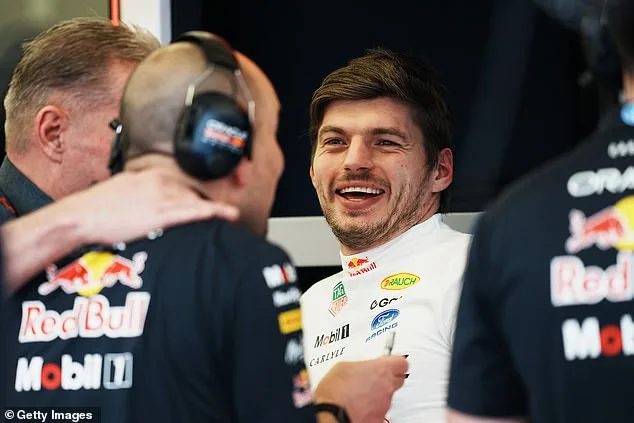
Max Verstappen has been equally scathing, labelling the energy-saving requirements 'anti-racing' and comparing the series to 'Formula E on steroids'. The Dutch driver warned that drivers are forced to manage battery recharging through braking, high-rev cornering, and coasting, which he says detracts from pure racing. 'I just want normal driving without having to think about how braking or gearing impacts performance on the straights,' he said.
Testing in Bahrain has seen several cars locking up as drivers struggle to adapt to the new demands. Lando Norris has predicted 'chaotic' racing in Melbourne, where the first race takes place on March 8. The tighter circuits and reduced grip could lead to more excursions into gravel traps, adding to the uncertainty surrounding the season opener.
Despite the smokescreens and mind games typical of pre-season, four teams are believed to lead the pack: Mercedes, Red Bull, Ferrari, and McLaren. Verstappen considers Mercedes the favourites, having impressed in Barcelona testing. Red Bull's in-house engine has proven competitive, while Ferrari's pace has boosted Hamilton's hopes for a rejuvenated season.
The regulatory changes have also sparked debate about the sport's direction, with some questioning the push towards electrification. Stellantis, parent company of several major car brands, recently announced a return to diesel engines after a £19billion loss from its EV push, highlighting a potential disconnect between F1's green ambitions and broader automotive trends.