Formula One has averted a season-opening staff shortfall this weekend after chartering two planes for 500 personnel to travel to the Australian Grand Prix in Melbourne. With typical transit airports, such as Doha and Dubai, closed after Iran’s retaliatory missile strikes in the Middle East, F1 and the 11 teams were forced to take extraordinary measures to attend the first race of the 2026 season.
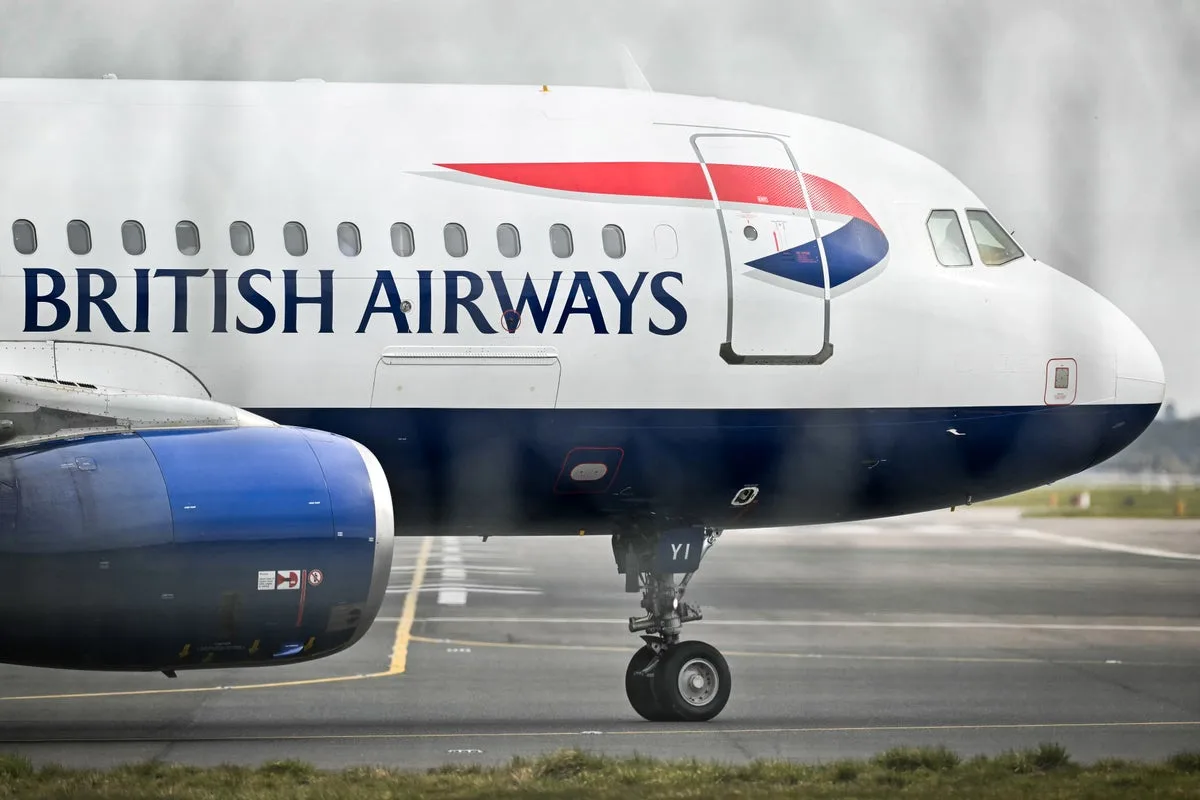
Sports travel agency Travel Places stepped in, with two last-minute chartered flights taking off on Monday: a British Airways plane via Singapore and a business-class only private jet which stopped over in Tanzania. Both services arrived in Australia on Wednesday. Around 500 staff were impacted by the Middle East airspace closures, including European-based journalists and communications staff, with some re-routing via the west coast of the United States.
Much to the relief of F1 executives dreading a repeat of 2020, when the Australian GP was cancelled at the last minute due to the coronavirus pandemic, the event at Albert Park is set to take place as planned from Friday to Sunday. A paddock insider told PA: 'It is a great testament to the sport how they are able to pull this off at such short notice, and to get us to the other end of the world.'
The FIA has cancelled the first two team curfews over the Australian GP weekend, given the travel chaos which has resulted in late arrivals at the circuit. Ferrari and Racing Bulls were most heavily impacted, requiring a flight from Italy to the UK before boarding the chartered planes. The FIA told teams that scrapping the curfew was a result of 'force majeure and specifically ongoing travel and freight disruptions.'
F1 shifting their first race back to Australia, after Bahrain hosted the season-opener from 2021-2024, has avoided a disastrous start to 2026’s new era. If the Bahrain International Circuit was hosting the first race this weekend, it would be a near-certainty to be cancelled. Indeed, tyre supplier Pirelli cancelled a two-day test involving Mercedes and McLaren in Bahrain last weekend, when the United States and Israel launched their first attacks on Iran.
However, F1 are not out of the woods yet. The 2026 schedule moves on to Shanghai in China next week, before the Japanese Grand Prix at the end of the month. Yet races four and five are scheduled for Bahrain and Saudi Arabia on 10-12 April and 17-19 April. Given the current chaos in the region, F1 has stated it is 'closely monitoring the situation.' An F1 spokesperson said: 'The safety and security of everyone in F1 will always be our priority. The next three races are in Australia, China and Japan, not in the Middle East – those races are not for a number of weeks.'