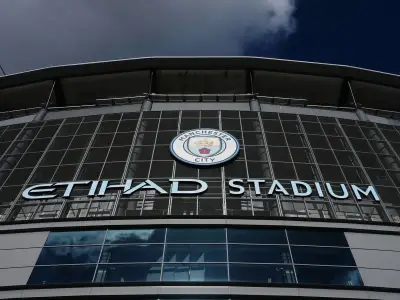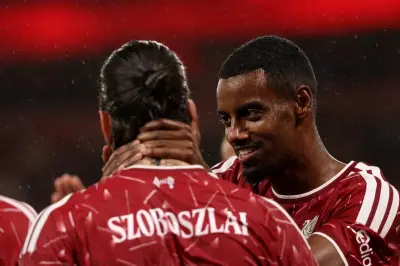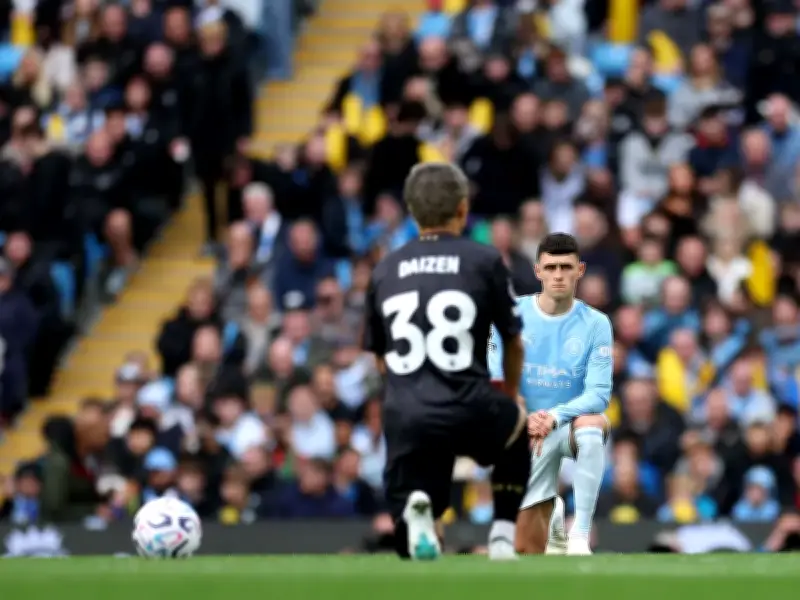
Three Premier League players, including Manchester City's Marc Guehi, refused to take the knee on Saturday as the 'No Room For Racism' month of action began. The England defender remained standing before their clash with Ipswich at the Etihad, while opposing defender Issa Diop also declined the gesture. Earlier in the afternoon, before Everton's loss to Chelsea, Ainsley Maitland-Niles refused to kneel despite everyone else on the pitch doing so.
Players' stance on the gesture
Neither of the three players has spoken out, but it is well documented that several players believe the gesture, which began in the aftermath of the Covid lockdown, has lost its value. Players and staff have the opportunity to perform the pre-match gesture for the next two weeks in October. The Premier League have maintained their commitment to tackling discrimination and highlighting the importance of diversity in football.
History of the knee in English football
Ahead of the 2021/22 season, Luton stated that they would not be taking the knee and instead all stood in the centre circle. That was at a time when players were still taking the knee before every game, but that idea came to an end in August 2022. A decision was then made to limit the gesture so that it only took place during match rounds that fall during the No Room For Racism initiative. It was agreed by Premier League captains ahead of the season that they would continue to perform the gesture twice per season.
Previous criticism of the gesture
In 2021, ex-Crystal Palace star Wilfried Zaha described kneeling as degrading, and then Brentford frontman Ivan Toney said: "We are kind of being used as puppets, in my eyes; take the knee and the people at the top can rest for a while now, which is pretty silly and pretty pointless. Nothing is changing." The move started in the UK in 2020 following the death in US police custody of George Floyd, which sparked the Black Lives Matter movement.