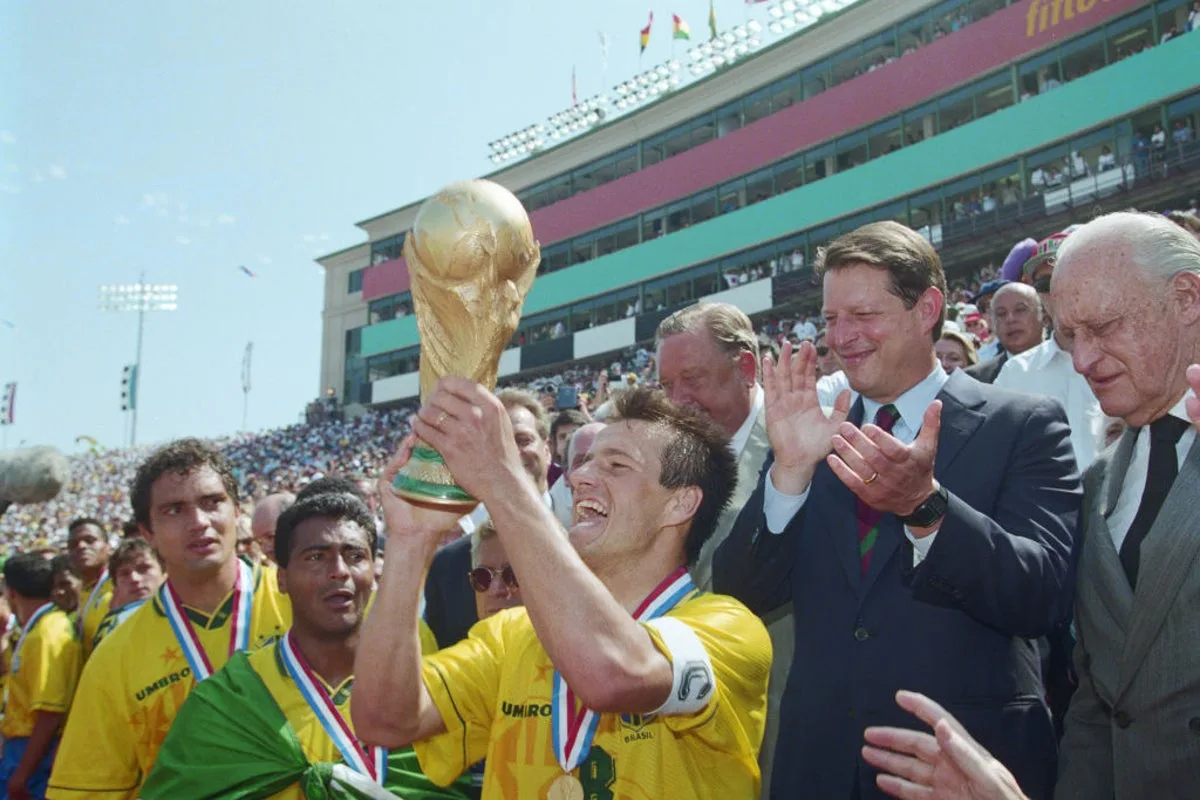
The 2026 World Cup, hosted by the US, Mexico and Canada, marks a dramatic evolution from the 1994 tournament in the United States. The most significant change is the sheer scale: the 1994 event featured 52 matches over 32 days with 24 teams, while the 2026 edition will involve 78 matches in the US alone across 39 days, with 48 teams divided into 12 groups. The top two from each group and the eight best third-placed teams advance to the knockout stage, effectively doubling the number of games since 1994.
This expansion is driven by globalisation and commodification, alongside FIFA president Gianni Infantino's strategy to protect and extend football's commercial dominance. By expanding into non-traditional markets, particularly the US—the world's largest sports economy—FIFA generates substantial financial returns. Despite criticism over symbolic gestures involving Donald Trump and ticket pricing, the World Cup has become more expansive and commercially powerful than ever.
The scale-up rests on two core dynamics: more matches increase broadcast content, boosting media rights revenue, and expansion broadens FIFA's political base by granting more countries access. Within FIFA's voting structure, each member association carries equal weight, meaning the vote of Brazil counts the same as that of Curaçao, a recent entrant with a population of around 150,000. A larger tournament also increases the likelihood that major population centres and emerging consumer markets, such as China, India and Southeast Asia, will participate, further expanding commercial reach.
Soccer in the US has grown markedly since 1994, reflecting the original intent behind awarding the World Cup to the States. Major League Soccer (MLS), launched in 1996, is now firmly established, and the pathway from college athletes to MLS and European leagues has strengthened. Growth has been especially strong in the women's game due to significant new investment. The US men's team, currently ranked 16th in the world, could plausibly make a deep run in 2026.
FIFA's rule changes for 2026 aim to keep the ball in play and increase tempo, with stricter measures on time-wasting and broader application of Video Assistant Referee (VAR) technology, including for second yellow cards and corner calls. Player welfare has also become more prominent: mandated drinks breaks will be introduced around the 22-minute mark in each half, addressing the extreme heat issues of 1994. Substitution rules have also evolved, though the source does not specify the exact changes.