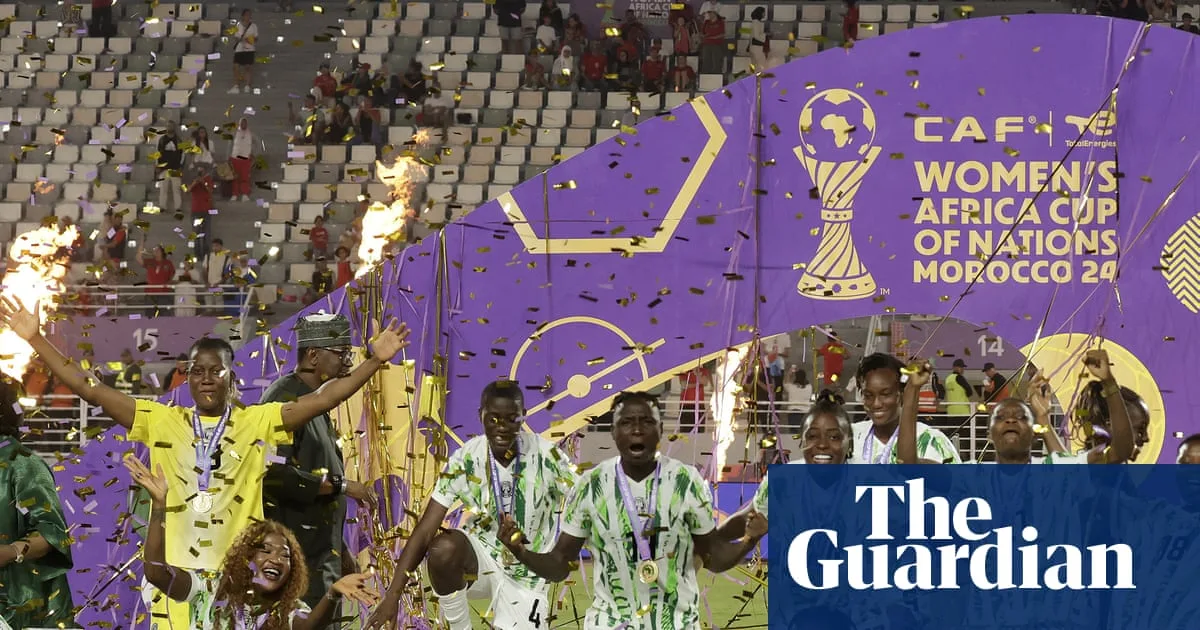
The Women's Africa Cup of Nations (Wafcon) has been plunged into chaos after the Confederation of African Football (Caf) postponed the tournament just 12 days before its scheduled start, sparking outrage among players, coaches and journalists.
Caf president Patrice Motsepe had promised on 13 February that the tournament, due to be held in Morocco from 17 March to 4 April, would go ahead. However, on 5 March, Caf announced it had been rescheduled to 25 July–16 August 2026, citing 'unforeseen circumstances'. The Guardian asked Caf for clarification but received no response.
South Africa coach Desiree Ellis questioned whether such treatment would be meted out to the men's game. 'It's not really fair,' she said. An anonymous Nigeria Football Federation executive committee member added: 'It is a huge shame that the women's game is treated with so much levity on the continent.'
Ghana's Black Queens were doubly affected, having been caught up in the Middle East conflict while in the United Arab Emirates for a tournament. Coach Kim Björkgren described the experience as 'frightening', with players hearing bombs at night.
Journalists also face financial losses. Firdose Moonda, a Guardian contributor, had to buy a new ticket home from Morocco, with prices more than double. South Africa's sports minister, Gayton McKenzie, called on Caf to compensate affected media and suggested Morocco may have deliberately caused the crisis to embarrass Motsepe.