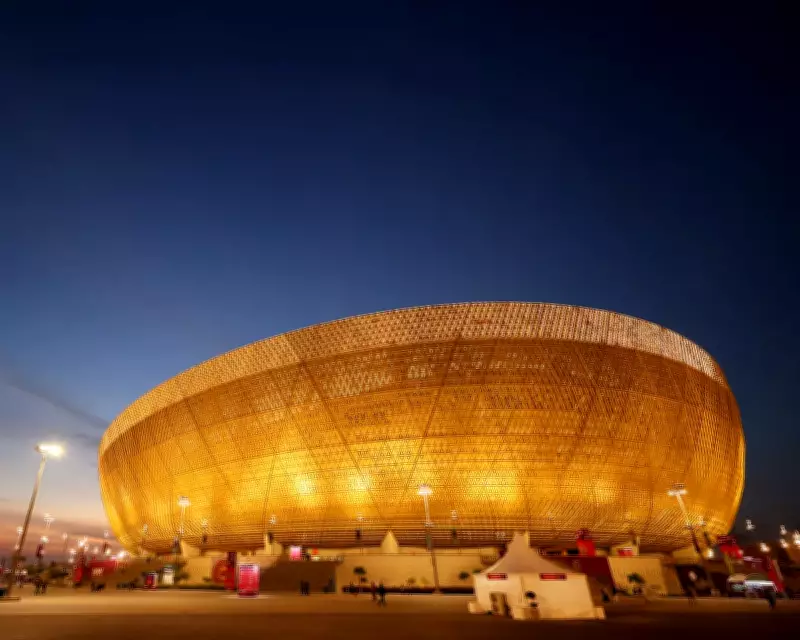
Spain v Argentina Finalissima Match in Qatar Cancelled Due to Middle East War
The highly anticipated Finalissima football match between Spain and Argentina, scheduled for 27 March at the Lusail Stadium in Qatar, has been officially cancelled. This decision comes as a direct result of the ongoing conflict in the Middle East, which has created an untenable political situation for hosting the event.
Venue and Background of the Cancelled Fixture
The match was set to take place at the iconic Lusail Stadium near Doha, the same venue that hosted the 2022 World Cup final, where Argentina emerged victorious. This clash was intended to pit the current European champions, Spain, against the Copa América winners, Argentina, in a prestigious intercontinental showdown.
Uefa's Statement and Failed Alternatives
Uefa, European football's governing body, released a statement expressing great disappointment over the cancellation. They cited the current political situation in the region as the primary reason, after discussions with Qatari authorities. Uefa explored several alternative arrangements, but none proved acceptable to the Argentinian Football Association (AFA).

- One proposal involved staging the match at Real Madrid's Santiago Bernabéu stadium, with an equal split of supporters from both teams.
- A second option was to hold the Finalissima over two legs: one at the Bernabéu on 27 March and another in Buenos Aires before the next major tournaments.
Both options were rejected by the AFA. Additionally, Argentina suggested playing the game after the World Cup, but Spain had no available dates, leading to the ultimate cancellation.
Impact and Context of the Cancellation
This cancellation deals a significant blow to the Finalissima competition, which was relaunched in 2022 with Argentina defeating Italy 3-0 at Wembley. The event aimed to showcase top-tier international football between continental champions.
The situation mirrors broader disruptions in sports due to the Middle East conflict. For instance, Formula One has cancelled grands prix in Bahrain and Saudi Arabia, while MotoGP postponed the Qatar Grand Prix. These actions highlight how geopolitical tensions are increasingly affecting global sporting calendars, underscoring the fragility of international events in unstable regions.