The NRL's 18th and 19th teams are taking markedly different routes to the competition. The Perth Bears will enter in 2027 as a relocated foundation club, while the PNG Chiefs arrive in 2028 backed by a $600m Australian government package aimed at curbing Chinese influence in the South Pacific.
The Bears have struggled to attract marquee talent, failing to lure stars like Cameron Munster and Tino Fa'asuamaleaui. Their current roster of 19 players includes only Storm centre Nick Meaney as a regular starter. The club faces the challenge of building in AFL-dominated Western Australia, with limited local pathways compared to the Dolphins' established south-east Queensland base.
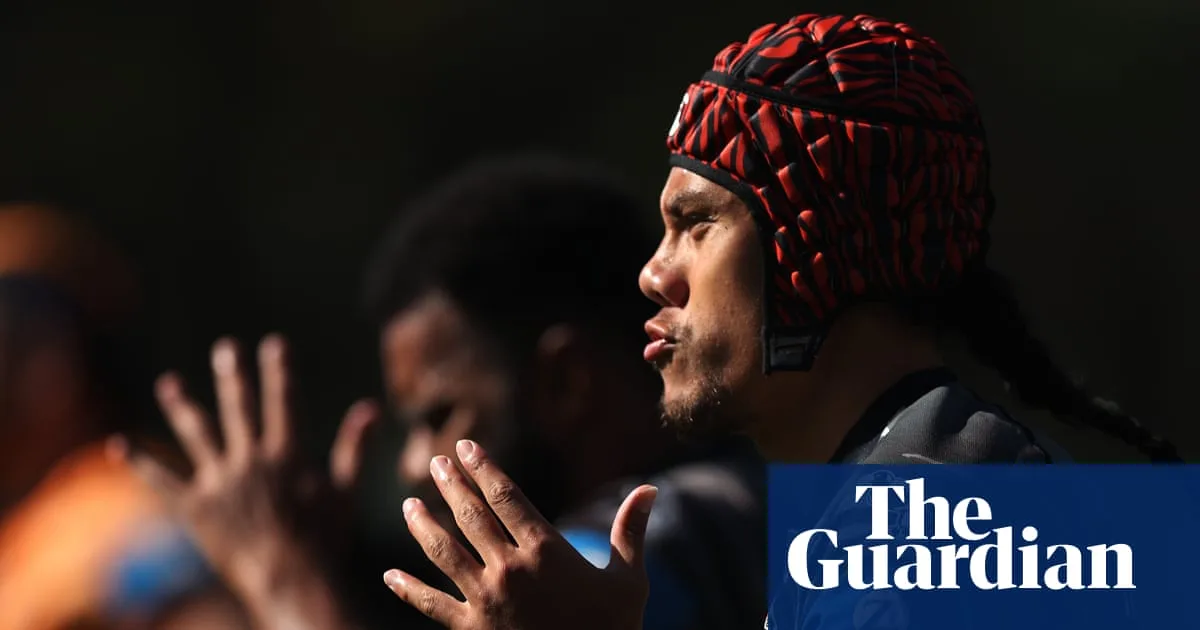
In contrast, the Chiefs have made a splash by signing four-time premiership winner Jarome Luai on a three-year deal worth $1.2m per season. PNG Prime Minister James Marape has described the club as 'a unification strategy deployed under the flag of rugby league'. The Chiefs have up to $240m of their funding to recruit from Pacific nations, targeting players from traditional rugby union strongholds like Fiji, Tonga and Samoa.
The $600m package has drawn criticism for its scale and haste, with Rugby Australia CEO Phil Waugh noting that rugby union receives only $12.5m every five years for Pacific development. The existing 17 NRL clubs each received $3.5m to offset concerns about players defecting to the Chiefs for tax-free contracts.
Chiefs general manager Michael Chammas emphasised the importance of building with good people, highlighting local CEO Lorna McPherson's 16 years in PNG and coach Willie Peters' success at Hull Kingston Rovers. The Bears, meanwhile, have installed Mal Meninga as coach but have been quiet in the press, with football manager David Sharpe recently departing.