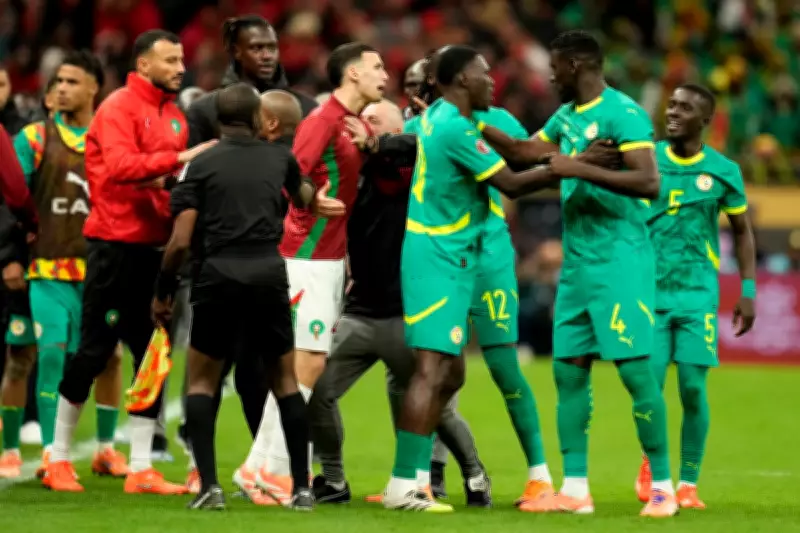
In a dramatic and unprecedented decision, Morocco has been officially named the champions of the Africa Cup of Nations 2025. This seismic ruling comes after Senegal's players staged a controversial walk-off during the final, leading to their forfeiture of the match and title.
Senegal's Protest Leads to Forfeiture
The Confederation of African Football (CAF) Appeal Board has delivered a landmark verdict, stripping Senegal of their victory and awarding the championship to Morocco. The decision stems from Senegal's players walking into the dressing room in protest after Morocco was awarded a late penalty in the final moments of regular time.
Controversial Penalty Incident
The match took a dramatic turn when a penalty was controversially awarded to Morocco deep into stoppage time. Brahim Diaz stepped up to take the spot-kick but saw his panenka effort comfortably saved by Senegal's goalkeeper Edouard Mendy. Despite this miss, Senegal went on to secure a 1-0 victory in extra time with a decisive goal.

However, the CAF Appeal Board has now overturned that result entirely. Their ruling states that by abandoning the pitch, Senegal effectively forfeited the contest. Consequently, the final is officially recorded as a 3-0 win for Morocco, in accordance with competition regulations regarding team withdrawals.
Historic Victory for Morocco
This ruling grants Morocco their first Africa Cup of Nations title since their historic victory in 1976. The decision marks a stunning reversal of fortune, transforming what appeared to be a heartbreaking defeat into a championship triumph.
The CAF's decision is expected to have significant repercussions. Senegal now faces potential disciplinary action beyond the forfeiture, which could include fines, suspensions, or other sanctions from football's governing bodies. The walk-off protest has ignited intense debate within the football community regarding sportsmanship, referee decisions, and the appropriate channels for contesting calls.
Unprecedented Precedent in African Football
This case sets a remarkable precedent in international football, particularly for the Africa Cup of Nations. Never before has a team forfeited a final in such a manner, leading to the championship being awarded to the opposing side. The ruling underscores the strict protocols governing player conduct and match completion in elite competitions.
Football analysts and fans alike are grappling with the implications of this decision. While some argue it upholds the integrity of the game by penalizing unsporting behavior, others contend it unfairly penalizes Senegal for a protest against a perceived officiating error. The controversy is likely to fuel discussions for years to come regarding the balance between competitive passion and regulatory adherence.
As the football world absorbs this shocking development, Morocco prepares to celebrate their unexpected championship. The team, initially left devastated by the extra-time loss, now finds itself atop African football once again. Further updates are anticipated regarding Senegal's disciplinary proceedings and any potential appeals.