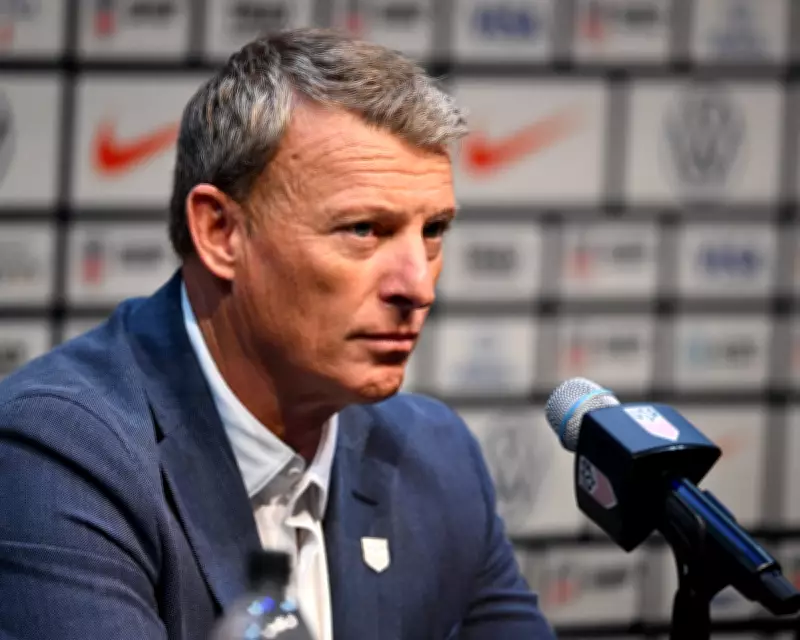
In a notable development within the global football community, Matt Crocker has officially stepped down from his role as sporting director at US Soccer. His departure comes as he prepares to assume a new position in Saudi Arabia, a move that underscores the increasing influence of Saudi Arabian football on the international stage.
Transition in US Soccer Leadership
Matt Crocker, who has been instrumental in shaping the strategic direction of US Soccer, submitted his resignation effective immediately. During his tenure, Crocker played a pivotal role in overseeing player development programs, coaching initiatives, and long-term planning for both the men's and women's national teams. His exit leaves a vacancy in a key leadership position at a critical time for US Soccer, as the organization continues to build momentum following recent successes in international competitions.
Impact on US Soccer Operations
The departure of Crocker is expected to prompt a period of transition within US Soccer. As sporting director, he was responsible for aligning the technical and tactical aspects of the national teams with broader organizational goals. His work included fostering relationships with Major League Soccer clubs, implementing youth academy systems, and enhancing scouting networks. US Soccer officials have acknowledged his contributions and are now tasked with finding a suitable replacement to maintain continuity and drive future growth.

Saudi Arabia's Growing Football Ambitions
Crocker's move to Saudi Arabia highlights the kingdom's aggressive push to expand its footprint in world football. In recent years, Saudi Arabia has invested heavily in its domestic league, attracting high-profile players and coaches from around the globe. By recruiting experienced figures like Crocker, Saudi Arabian football authorities aim to bolster their administrative and technical expertise, with ambitions to host major tournaments and improve national team performances.
Strategic Implications for International Football
This career shift reflects broader trends in football management, where talent is increasingly mobile across borders. Crocker's expertise in sports administration and development is likely to be leveraged in Saudi Arabia to enhance coaching standards, youth programs, and overall football infrastructure. Meanwhile, US Soccer must navigate this leadership change while preparing for upcoming challenges, including World Cup qualifiers and Olympic preparations.
The news of Crocker's resignation was confirmed by US Soccer in an official statement, which expressed gratitude for his service and wished him success in his new role. As the football world watches this transition, it underscores the dynamic nature of sports governance and the competitive landscape for top administrative talent.