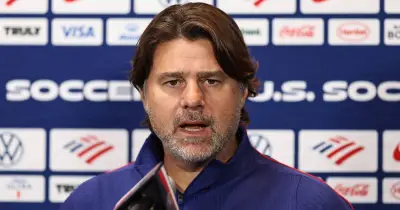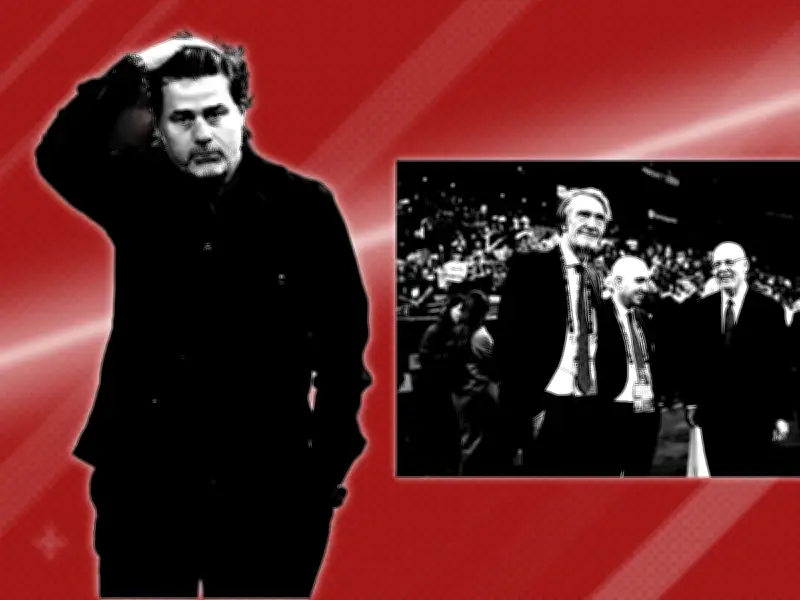
Mauricio Pochettino walked into Manchester United knowing the extent of the task ahead of him. It may be his dream job, but these are far from dream circumstances.
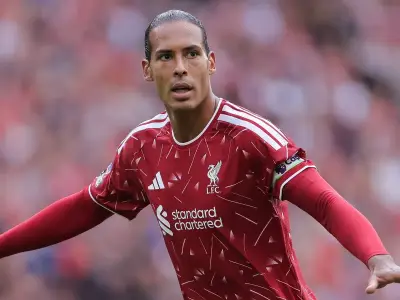
United's 4-0 thrashing by Liverpool on Sunday leaves them 19th in the Premier League and staring at a relegation battle - something Pochettino accepts is their "reality". They have won just one league game and, with 34 goals conceded across all competitions, have the worst defence of any team in Europe's top five leagues.
And, worse still, there is another stark reality Pochettino must face: United can't buy their way out of trouble. They are second-best on the pitch and, as has become increasingly apparent recently, they are second-best off it too.
Financial results reveal mounting debts
The sight of miserable pair Jason Wilcox and Omar Berrada watching on from the stands has become all too familiar this season. As director of football and chief executive, they are responsible for making the big decisions, many of which they have evidently got wrong.
But they are also hamstrung by United's financial state, which despite widespread cost-cutting measures since INEOS' arrival and a return to the Champions League, is still perilous. It is the reason why, after spending £155million on Carlos Baleba, Youri Tielemans and Andrey Santos in the summer, they can only spare less than £50m in January.
Last week United announced their financial results for the period from July to September of this year. They were headlined - at least by United themselves - by a boost in revenues to £146.1m over those three months. That 4.1 per cent rise was down to an upturn in broadcasting and matchday income, helped by Michael Carrick securing a third-place finish and a return to the Champions League.
Sir Jim Ratcliffe's much-publicised and extremely unpopular cost-cutting crusade has also helped bring operating expenses down by 1.5 per cent. Berrada declared: "Our revenue remains strong and on track, while we continue to grow sustainably."
And yet United still reported an operating loss of £3m for the quarter, compared with a profit of £13m in the same period last year. That is partly due to United's dreadful record of selling players, plus an increase in wages with the qualification for the Champions League triggering clauses in players' contracts.
Debt spirals past £1.1bn
But what is more concerning - and what has fuelled fan anger - is the mounting debts. Debt has become the calling card of the Glazer family over their time at United and it has spiralled even more since they combined forces with INEOS.
The latest financial results showed £577.4m in debt, plus £207.1m on a rolling credit limit. When you factor in outstanding transfer fees at £332.87m, it means the total owed at the end of September was just over £1.1bn. With the wheels in motion to build a new 100,000-seater stadium at Old Trafford, this mountain of debt won't subside any time soon.
Discipline over spending
United had to pay $10million (£7.4m) to release Pochettino from his contract with the United States, plus extra for the Argentine's coaching staff. They believed it was a price worth paying, just months after backing Carrick with a two-year contract.
Such a cost is significant, especially when the club has continually changed manager since the departure of Sir Alex Ferguson in 2013. They have shelled out nearly £100m on managers in the past 13 years, often frittering away money which could be spent elsewhere.
The issue is shown by Berrada's comments in a rare interview with Sky Sports last week. "Could we have signed an additional defender to straighten the depth and the quality? Yes, but we have to find the right players and you have to find the right players at the right value," he said.
"There's no point in us spending £40m, £50m for players that we're not convinced are going to add value to the team. So it's always about being disciplined and finding the right opportunities and getting the right players that are going to take us forward."
Berrada added: "When I talk about being disciplined, I talk about not overspending on players that don't necessarily add quality to the team. Because when you sign a player that doesn't work out for Man United, it becomes very difficult to move that player on or to get the sale we want. And that can set us back."
"So when I talk about being disciplined, I'm not talking about necessarily not spending to get the top players. We have the ambition to win, to win the Premier League, to win the Champions League, to win the domestic cups. And for that, we need top talent. So when we find the right opportunities, we will spend. But what we don't want to be doing is spending just for the sake of it."
United may need to spend in January, if results don't improve. Their defence desperately needs upgrading after being neglected in the summer. But, unfortunately for Pochettino, he will be held back by the club's past mistakes.