Michael Carrick's first Manchester derby as caretaker manager ended in victory, offering a glimpse of liberation for Manchester United after the departure of Ruben Amorim. The win, however, masks deeper structural issues within the squad that could complicate the remainder of the season.
Carrick's tactical approach differed markedly from his predecessor's. He deployed a back four, utilized flying wingers, and restored Bruno Fernandes to the No 10 role, with Kobbie Mainoo anchoring midfield. This was a stark contrast to Amorim's preferred 3-4-3 system, which had left several players out of position. Mainoo, for instance, had not started a Premier League game under Amorim, and Fernandes' creativity was showcased through his assist for Bryan Mbeumo's goal.
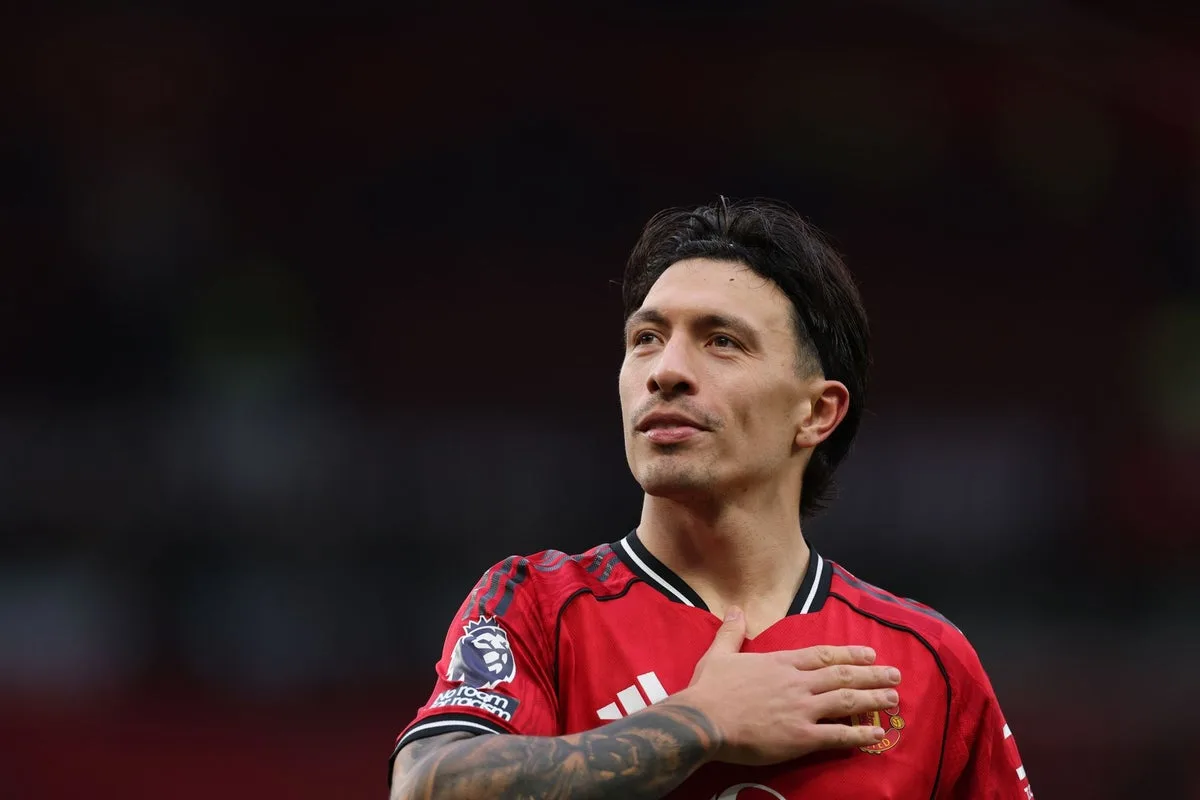
The players appeared reinvigorated, with Lisandro Martinez noting Carrick's instruction to "use the energy of the people." This sense of freedom has historically worked in United's favour during interim spells under former players, as the squad seems relieved to see the permanent appointment gone.
Yet the victory highlights a lopsided squad. United now have an abundance of No 10s in Fernandes, Matheus Cunha, and Mason Mount, but only three true central midfielders. There is no specialist left winger, and the squad lacks depth for a 4-2-3-1 formation. The performances of Patrick Dorgu at left-back and the effective use of Amad Diallo and Mbeumo as winger and striker offer temporary solutions, but the underlying imbalance remains a challenge for any long-term manager.
Amorim's brief tenure added to United's rebuilding task, and while Carrick has provided an immediate boost, the club must address these squad deficiencies in the summer transfer window.