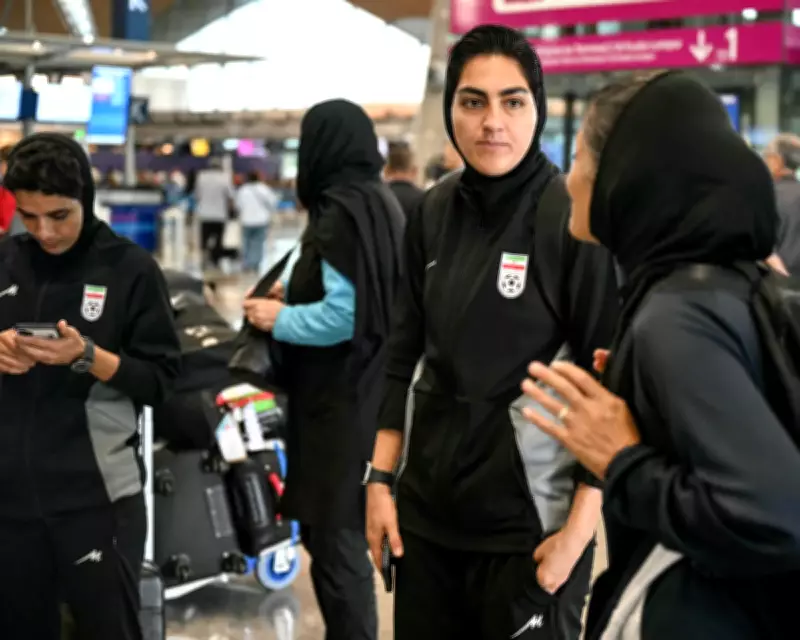
In a significant development, the Iranian judiciary has announced the release of assets belonging to Zahra Ghanbari, the captain of the Iranian women's national football team. This decision comes after a dramatic asylum incident in Australia last month, which saw Ghanbari and several teammates initially seek refuge before returning home.
Asylum Drama and Asset Seizure
The controversy began in March when Ghanbari was among a group of six players and one backroom staff member who applied for asylum in Australia. This followed their participation in the Women's Asian Cup, which coincided with the outbreak of conflict involving Israel and the United States against Iran. The players' actions drew immediate attention, with Iranian authorities labeling some as "traitors" and freezing their assets by court order.
Return and Release of Assets
However, in a twist, five of the athletes, including Ghanbari, later withdrew their asylum claims and returned to Iran. They received a hero's welcome at a special ceremony in central Tehran on March 19. According to Mizan, the Iranian judiciary's news agency, Ghanbari's assets were released by court decision after "a declaration of innocence following her change in behaviour." This move was confirmed on Monday, just two days after Iranian media published a list of individuals whose assets had been frozen.

It remains unclear exactly when Ghanbari's assets were initially seized, but her name appeared on the list of those targeted. The situation highlights the ongoing tensions between Iranian athletes and the state, with rights groups accusing authorities of pressuring players by threatening relatives or confiscating property if they defect or speak out against the government.
Broader Context and Allegations
Campaigners have alleged that Tehran pressured the women's families, including summoning parents for interrogations by intelligence agents. In response, Iranian authorities claimed that Australia attempted to force the athletes to defect. The team had already faced criticism from hardliners in Iran for not singing the national anthem before their first match, though they later complied in subsequent games.
This incident unfolds against the backdrop of the war and with the Iranian men's team scheduled to play in the World Cup in the United States in June. FIFA President Gianni Infantino recently affirmed that Iran will participate as planned. Meanwhile, two of the women's footballers who remained in Australia are training with Brisbane Roar, underscoring the ongoing complexities of sports and politics.