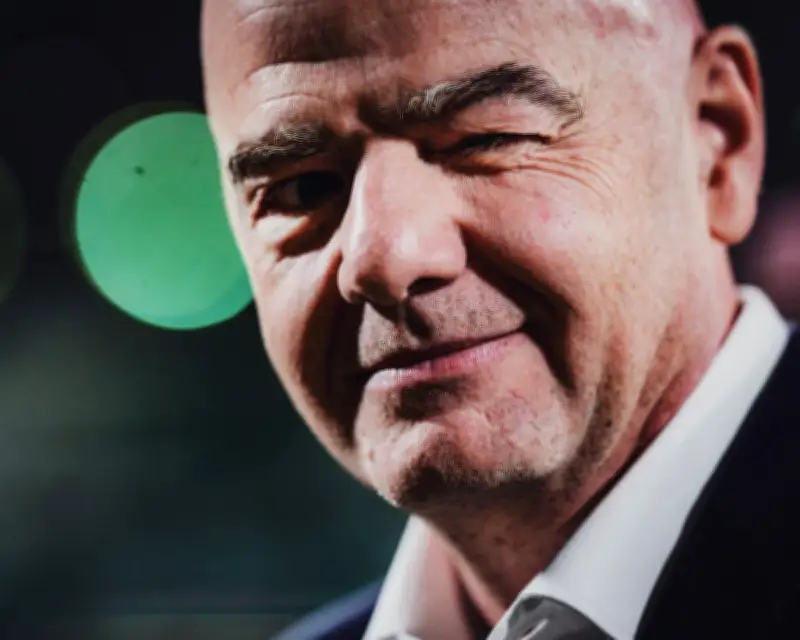
The time for equivocation is over. Gianni Infantino must leave the Fifa presidency, either by resigning or through legal removal. No further chances should be extended to an official who has destroyed trust in football's integrity and governance, wiping out the remaining credibility of the body that runs the world's most cherished sport.
Infantino was forced into a humiliating retreat on Saturday morning after admitting his plan to sell off parts of the World Cup to private investors had failed. He promised to resume talks on football's growth “in the spirit of shared interest in our game”. But such a blatant bid to save himself cannot hold. Every day Infantino stays in power is another stain on an institution whose reputation is already on the floor.
A history of overreach and broken rules
The unilateral launch of the Fifa Forward Enterprise (FFE) scheme, which would have handed enormous influence over football's future to venture capitalists, would be enough to bring down most leaders. But Infantino's record extends much further. He has repeatedly disregarded Fifa's own statutes and governance rules, so it is little surprise that patience has finally run out across world football. Fifa's slogan “football unites the world” has never looked emptier.
Article 10.3 of the regulations, covering the presidency, says the incumbent must ensure Fifa's objectives, mission, strategic direction, policies and values are “sustainably pursued, protected and implemented” and that a certain image of the organisation is fostered. It also calls for “promoting friendly and peaceful relations within Fifa”. That is now hard to square with the way confederations and senior officials have publicly distanced themselves from Infantino. The rules offer no cover for private ventures pursued with little oversight, often in step with the current US administration or its allies.
From Balogun to Trump and the 64-team plan
The handling of the Folarin Balogun case pushed many influential figures in football, especially in Europe, close to breaking point. Before that, there was widespread anger and bewilderment when Infantino presented the new Fifa peace prize to Donald Trump in December, offering scant detail about the process and questionable claims about the US president's credentials. Officials were also annoyed at the lack of consultation over the introduction of “hydration breaks”, which altered the rhythm of matches at this summer's World Cup.
The rushed bidding process for the 2034 tournament, which let Saudi Arabia's candidacy pass unopposed in December 2024, drew further criticism. These are only the controversies of the past 20 months. On Friday, it emerged that plans for a 64-team World Cup are well advanced.
Uefa finally acts
Uefa's scathing statement on Saturday urged an end to “secret schemes on fast track timescales, cooked up by faceless individuals and of dubious benefit to the game”. That warning was not aimed solely at the FFE project and the sidelining of other Fifa decision-makers. A tipping point had been reached. After more than a year of tough rhetoric, Uefa backed its words with action by threatening to boycott future Fifa tournaments unless Infantino withdrew the plan. That threat clearly shaped the outcome, and Uefa president Aleksander Ceferin secured what may prove a defining achievement of his tenure. But it will count for little if Infantino, who is said to have hired a major consultancy to rebuild relations with federations, is allowed to dangle new promises and drag everyone back to the old ways.
Member associations must act now
Inside Uefa and beyond, there is a strong sense that the pressure must continue. Senior figures insist Infantino cannot survive this scandal. Some insiders believe the next crucial step is for member associations, most of which formally backed Infantino's re-election next March, to withdraw those letters of support. That would require a formal request to Fifa, but if done in sufficient numbers it could amount to a de facto vote of no confidence. Fifa fought hard for those endorsements, and many federations would now be embarrassed if their loyalty to Infantino became widely known.
Member associations have a duty to face down existential threats to the sport. If they shrink from that now, they will be doing the game a serious disservice, just as Infantino has. Backing away would leave the job half done.
Searching for a way forward
Uefa has promised to design a new method of distributing Fifa's wealth, drawing on the organisation's multibillion cash reserves without “selling the family silver”. Behind the scenes, it is working with other confederations to identify credible candidates to replace Infantino, with an eye on running in the election if he stays in office until then. The current crisis could be used to reshape football for the better, but only if Infantino is not there to have the final word.
If not, Fifa and the game itself will keep lurching from one disaster to another. It is no joke when public discussion of football revolves around one man's ego and reckless initiatives. In December, Zvonimir Boban, once Infantino's closest ally as deputy secretary general, told the Guardian that “the way is lost” after the peace prize was awarded to Trump. Fifa will not find a way back until Infantino plays no further part in its operation.