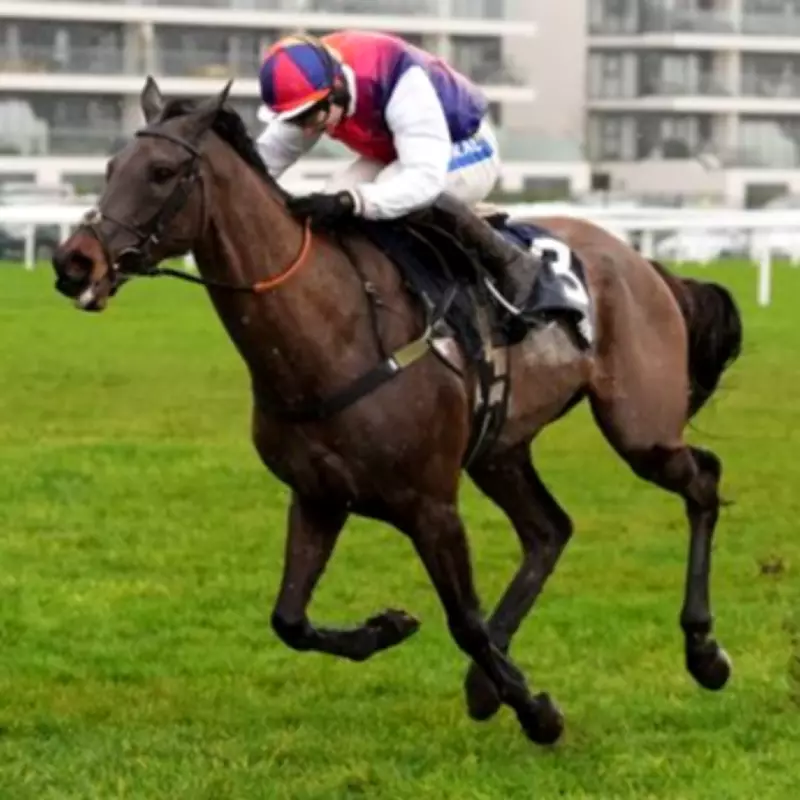
Grand National 2026 Prize Money: A Detailed Look at the £1 Million Pot
The Grand National 2026 continues to uphold its prestigious reputation as Europe's most lucrative jump race, with a total prize fund of £1 million. This substantial amount is exclusively allocated to the top ten finishers, ensuring that only the elite performers receive financial rewards, while the remainder of the field goes home empty-handed despite the gruelling challenge of the course.
The Winner's Jackpot: A Half-Million Pound Payday
The victorious horse in the Grand National 2026 claims an impressive £500,000, which constitutes exactly 50% of the entire prize pool. This jackpot is not kept intact; it undergoes a series of industry-standard deductions before being distributed among the key stakeholders: the owner, trainer, and jockey, reflecting the collaborative effort required for success in this iconic event.
Distribution of Winnings Among Key Players
Owner's Primary Share: Owners typically receive the lion's share of the prize money, retaining between 75% and 80% of the winnings. This significant portion is crucial for offsetting the high costs associated with horse racing, including training fees and the substantial entry fees that can run into thousands of pounds just to participate in the Grand National.

Trainer's Commission: Trainers earn a standard 10% commission on any prize money won, translating to a £50,000 payout for a first-place finish. This reward acknowledges their expert preparation, strategic planning, and the daily care provided to the horse throughout the racing season, ensuring peak performance on the big day.
Jockey’s Winning Cut: A professional winning jockey secures a 9% cut of the top prize, amounting to approximately £45,000 for their skillful navigation over the famous Aintree fences. It is important to note that amateur riders are prohibited from receiving any prize money or riding fees, a rule that has been consistently enforced in previous editions of the race.
Place Prize Money and Additional Earnings
Financial rewards diminish rapidly for lower placements, with £200,000 awarded for second place and £100,000 for third. The payouts continue to decrease incrementally down to the tenth position, which receives a final prize of £5,000. Here is a breakdown of the top ten payouts:
- First Place: £500,000
- Second Place: £200,000
- Third Place: £100,000
- Fourth to Tenth Places: Decreasing amounts, culminating in £5,000 for tenth
Every professional jockey in the 34-horse field is guaranteed a standard riding fee of £235.90, regardless of their finishing position. Additionally, jockeys who place between second and tenth earn a smaller commission of 3.44% on their horse's specific earnings, providing extra incentive for competitive performances.
No Rewards for Finishing Outside the Top Ten
Horses that finish in 11th place or lower receive no financial reward, even if they successfully complete the challenging course. While crossing the finish line is a notable achievement in itself, the prize money is strictly reserved for the top ten finishers, meaning the majority of the field earns nothing beyond the basic riding fee.
Deductions for Staff and Charitable Causes
A traditional 5% share of the winnings is allocated to the stable staff, who are responsible for the horse's day-to-day care and well-being. Furthermore, a mandatory deduction of approximately 1.25% is taken to support various racing charities and essential jockey welfare funds, ensuring the sport contributes to broader community and safety initiatives.