Football's Fractured Soul: A Mirror to Our Disconnected World
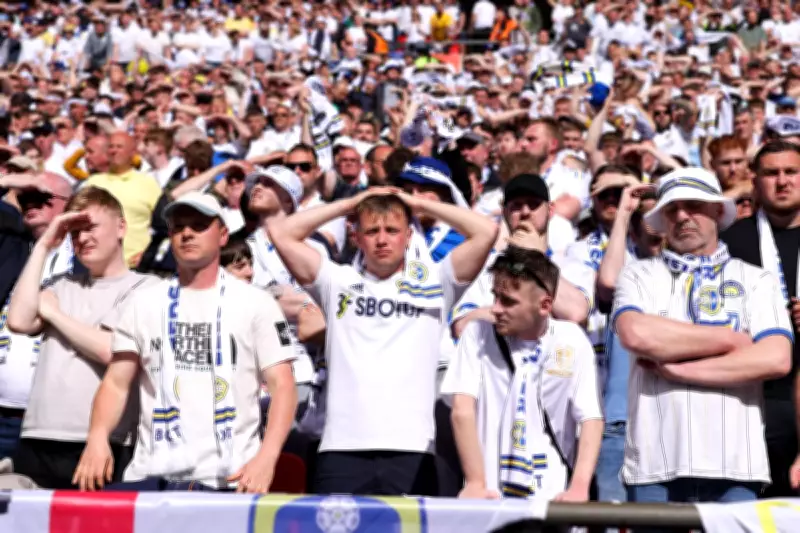
Fans, pundits, podcasters, players, and managers alike are voicing a growing sense of disconnection from the beautiful game. This collective unease reflects broader societal fractures, as football's converging moral panics hold up a mirror to a world increasingly defined by instability and confusion.
The Echoes of Discontent
A pervasive boredom seems to stalk the land, with wearied figures in television studios and podcast armchairs lamenting a sport they once loved. From Arne Slot's visible frustration at Liverpool to John Terry's public disenchantment, and Ruud Gullit's decision to stop watching altogether, the sentiment is clear: many feel the game has lost its way. Chris Sutton's claim that Arsenal could become the ugliest winners in Premier League history underscores this deepening disillusionment.
Endless Grievances and Subjective Judgments
The list of complaints is extensive and familiar: full-blown grappling at corners, the use of towels for long throws, interminable set-piece routines, and Everton's rugby-style kick-offs. Yet, this debate cannot be settled with statistics alone, as it hinges on a subjective feeling—a sense that football is no longer as enjoyable or authentic as it once was. Historical context offers little solace; for instance, Arsenal's reliance on set pieces or the long-standing moral panic over penalty area wrestling, dating back to campaigns like the Daily Mail's "Hands Off In The Box" in 2014, are often overlooked in the nostalgia.

Concepts like "good football" or "beautiful football" are inherently subjective, often contradicting themselves. Fans crave goals but reject certain types, appreciate possession football but not in all forms, and value physicality while decrying its excesses. This emotional dissonance is not new; figures from Bill Nicholson in 1958 to Arsène Wenger in 2021 have lamented the game's evolution, suggesting a timeless thread of dislocation and generational unhappiness.
Football as a Reflection of Modern Chaos
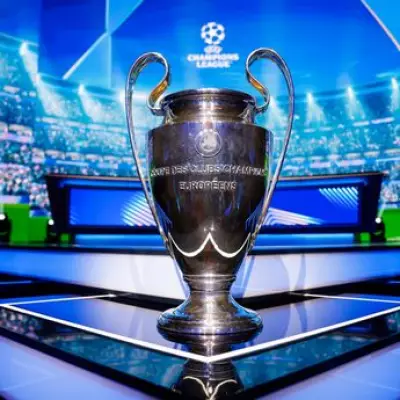
In a world marked by instability—from geopolitical tensions to digital overload—football has ceased to be a refuge. Instead, it mirrors the maddening inequities of contemporary life. VAR evokes the frustration of weekend banking, while the new Champions League format feels as bewildering as internet memes. Issues like dynamic ticket pricing, mysterious betting sponsors, and political controversies, such as players being booed for their faith, further disfigure the sport's relationship with its audience.
This malaise cuts deep, rooted in a sense that norms have been subtly reordered. As literary critic Ian Hamilton noted, football has always been disappointing, conditioning spectators to expect the second-rate. Yet, in today's era of "the product," where football is often reduced to background content amid endless scrolling, this disappointment feels more acute. The game's inherent awkwardness and physicality, its boring stretches and constant tactical flux, are now magnified by a culture of endless critique.
A Glimmer of Hope Amid the Gloom
Despite the bleak outlook, there remains a glimmer of hope. The joy of a miraculous save by Jordan Pickford, the thrill of Alex Iwobi's goal against Tottenham, or the creativity of Bruno Fernandes remind us why football captivates. The raw emotion of relegated managers like Rob Edwards or the roar of Sunderland's Stadium of Light on a counter-attack underscores that beauty and boredom are choices. Perhaps, by embracing the good bits and enduring the bad, we can rediscover the game's enduring magic in a fractured world.