FIFA has already opened a consultation process over expanding the World Cup to 64 teams, with a decision expected as soon as August 14. The news has been met with widespread incredulity and outright cynicism – and understandably so.
The timing could hardly be worse. It comes just days after FIFA president Gianni Infantino's plan to raise $20 billion by auctioning off World Cup rights packages to private investors was revealed. That scheme has now been headed off by UEFA's threat of a boycott. But the stench of it still hangs over everything FIFA proposes.
A credibility problem of FIFA's own making
Infantino's ill-fated attempt to sell off a chunk of the World Cup to billionaire cronies was condemned across the game. It meant everything suggested by FIFA would automatically feel rotten. This expansion idea was immediately seen, particularly in Europe, as just another ruse to generate more money for FIFA and the private investors Infantino wanted to ingratiate himself with – and make fortunes from. No one could have blamed the public for viewing it that way.
The secret of comedy is timing, but there was nothing funny about FIFA rushing through a consultation process just days after the $20bn rights scheme was exposed. A bigger World Cup means more money for the private investment mates who, mercifully, will now not be directly involved in the tournament. No wonder the acceleration of a 64-team World Cup was greeted with almost complete scorn.
Why a 64-team World Cup might not be a disaster
Yet would a 64-team World Cup actually be that bad? If the extra revenue is not going to private investors – and that prospect has been summarily headed off by UEFA's threat of a boycott – is it really one of FIFA's worst offences? No.
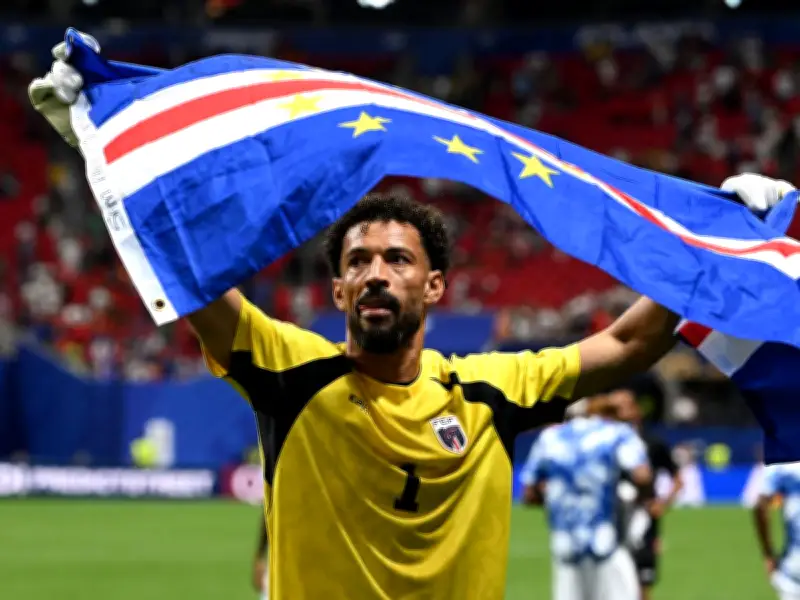
I was against the move from 32 to 48 teams, but I was soon converted once Cape Verde started doing their stuff. I was converted when Curacao equalised against Germany, even though they were hammered 7-1. I was converted by the entertainment provided by the group stages and the joy of every nation's set of fans.
Format can work
The only downside I could find with 48 teams was that the third round of group games was open to contrivance, because whittling 48 down to 32 for the knockout stages involved letting in eight third-placed finishers. As it happened, there was no evidence of contrivance. But quite simply, 64 into 32 goes better: sixteen groups of four, with the top two in each group qualifying. Easy.
The 2030 World Cup – the centenary edition – will be staged in Spain, Portugal and Morocco, with Argentina, Paraguay and Uruguay hosting opening-round matches. There will be enough venues to accommodate 64 teams.
UEFA's likely opposition
UEFA and its president Aleksander Ceferin are now at permanent odds with FIFA and Infantino, so they might not like the idea of expanding to 64 teams. They will probably oppose it. But consider the comparison: the Euros is a 24-team competition, meaning 43.63 per cent of its member nations qualify for the finals. A 64-team World Cup would mean 30.34 per cent of FIFA member nations qualify.
Those of us who once believed the World Cup should be for the elite only have long lost the argument. It turns out it was not a bad one to lose. Did anyone begrudge any of the teams at the 2026 World Cup their time in the sun?
Infantino will be gone
The 48-team tournament is now settled, and there will be no consultation process about reducing it. So what is an extra 16 teams between friends? Italy might even qualify.
Understandably, any expansion will be negatively linked with Infantino's scheming. But he will be long gone by then, surely. And the 64 teams who compete at the 2030 World Cup can enjoy themselves, untainted by his presidency and private ownership.